Citric Acid Monohydrate Food Grade Bulk Buying Guide: E330 Specs, Mesh Sizes and Packaging
Citric Acid Monohydrate food grade bulk guide: E330 specs, monohydrate vs anhydrous, mesh sizes, caking prevention and export packaging.
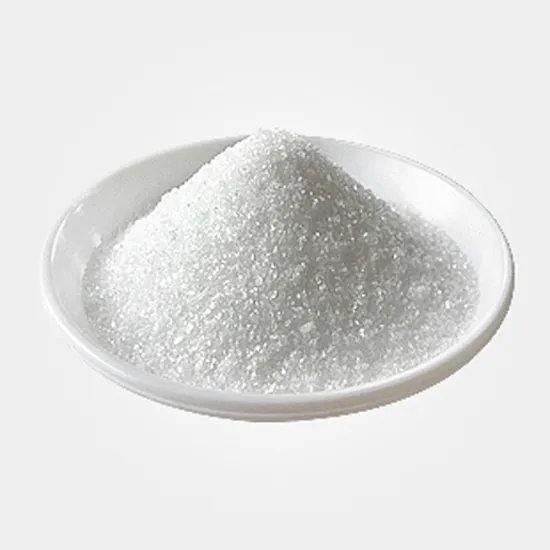
Buying Citric Acid Monohydrate food grade bulk supply is simple when the specification, crystal size and packaging are agreed up front. This guide covers the E330 specification, when to choose monohydrate over anhydrous, mesh sizes, and how to keep the product free-flowing from port to production line.
Citric Acid Monohydrate food grade bulk: Key Facts
| Product | Citric Acid Monohydrate |
|---|---|
| CAS number | 5949-29-1 |
| Formula | C6H8O7·H2O |
| E number | E330 |
| List price | Quoted per order |
| Category | Additives |
Where Citric Acid Monohydrate Is Used
Citric acid is the most widely used food acidulant. The monohydrate form contains one molecule of water of crystallisation and is used in:
- soft drinks, juices and powdered beverages for tartness and pH control;
- confectionery, jams and dairy desserts;
- food preservation and as an antioxidant synergist;
- pharmaceutical syrups and effervescent products;
- detergents, descalers and metal cleaning as a biodegradable chelating agent.
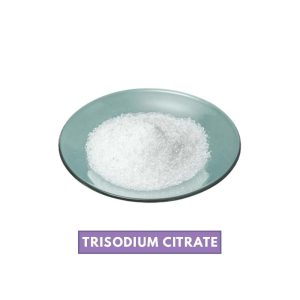
Its salt, trisodium citrate, is used as a buffer and emulsifying salt, while tartaric acid gives a sharper taste profile in some confectionery. Identity data is on PubChem.
E330 Specifications to Request
Food-grade citric acid monohydrate is commonly supplied to meet one or more pharmacopoeia and food standards (BP, USP, FCC and EU E330). Typical points to confirm:
| Parameter | Typical requirement |
|---|---|
| Assay (anhydrous basis) | 99.5–100.5% |
| Water | 7.5–9.0% |
| Sulphated ash | About 0.05% maximum |
| Readily carbonisable substances | Passes test |
| Heavy metals | Within the limits of the stated standard |
To buy Citric Acid Monohydrate E330 for food or beverage use, ask for a COA that names the standard and confirm allergen, GMO and halal or kosher statements if your market requires them.

Citric Acid Monohydrate vs Anhydrous
The Citric Acid Monohydrate vs anhydrous choice comes down to water content and application:
- Monohydrate contains about 8.8% water. It is widely used in liquid beverages, syrups and food processing where the water does not matter.
- Anhydrous contains no water of crystallisation and is preferred for dry blends, powdered drinks and effervescent tablets, where moisture causes caking or premature reaction.
To compare prices fairly, convert to the same basis: about 1.094 kg of monohydrate supplies the same acid as 1 kg of anhydrous (molecular weights 210.14 and 192.12).
Citric Acid Monohydrate Mesh Sizes
Common Citric Acid Monohydrate mesh sizes in trade include coarse grades around 8–40 mesh and finer grades around 30–100 mesh. Coarse crystals flow well and cake less; fine crystals dissolve faster and blend more evenly in dry mixes. Specify the mesh range on your purchase order so each lot behaves the same in your process.
Citric Acid Monohydrate Export Packaging and Storage
Standard Citric Acid Monohydrate export packaging is 25 kg multi-wall paper or PP bags with a food-grade PE liner, palletised and stretch-wrapped, or 1,000 kg jumbo bags for large users. Citric acid is not classified as dangerous goods for transport.
The main storage risk is caking. Keep bags sealed, store below about 25°C and away from humidity, avoid stacking pallets too high, and use stock in date order. Agree the documents (COA, SDS, certificate of origin and food-related certificates) before shipment; our quality documentation page lists what we supply.
Send your grade, mesh size and volume through the quote form or browse more additives.
Send grade, quantity and destination port for a written quotation.
Related Products Buyers Order With Citric Acid Monohydrate
Frequently asked questions
What is the difference between citric acid monohydrate and anhydrous?
Monohydrate contains about 8.8% water of crystallisation; anhydrous contains none. Anhydrous is preferred for dry blends and effervescent products.
Is citric acid monohydrate the same as E330?
Yes. E330 is the food additive number for citric acid, which covers both the monohydrate and anhydrous forms when they meet the specification.
Why does citric acid cake in storage?
It absorbs moisture in humid conditions and under pressure. Sealed bags, cool dry storage and moderate stacking prevent caking.
How is citric acid monohydrate packed for export?
Usually in 25 kg bags with a food-grade PE liner on pallets, or in 1,000 kg jumbo bags for large users.
Need a bulk quotation for Citric Acid Monohydrate? Send your requirements to Anflo or email sales@anflointerchem.shop.
Keep reading
 Food & IngredientsWhey Protein Concentrate 80 (WPC 80) Bulk Sourcing: Specs, Documents and Pricing FactorsRead guide →
 Food & IngredientsAnimal Health Chemicals: A Procurement Guide for Feed and Farm OperationsRead guide →
 Industrial ChemicalsMono-Dicalcium Phosphate 21% Buying Guide: Feed Specs, Packaging and PriceRead guide →