Contact
Menu

Product categories

Mining Chemicals40
Water Treatment Chemicals17
Industrial Chemicals48
Special Use Chemicals40
Refrigerant Gases11
Fertilizers32
Additives49
Dairy Ingredients35
Plant Based Ingredients133

Company Information

Anflo Inter Chemical Products Trading

Category: Water Treatment

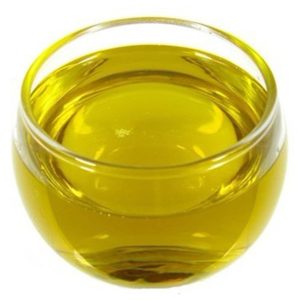
  • Ferric Chloride 40% Price per Ton: Bulk Buyer Guide for Water Treatment

    Ferric Chloride 40% Price per Ton: Bulk Buyer Guide for Water Treatment

    WATER TREATMENT • PRICE GUIDE

    The Ferric Chloride 40% price per ton on a quotation only makes sense when you know what is behind it: iron content, free acid, packaging and how many tons actually fit in a container. This guide walks through each point so you can compare ferric chloride offers for drinking water, wastewater and industrial use on a fair basis.
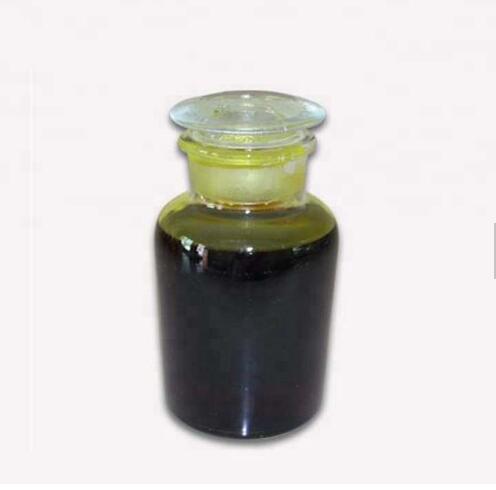
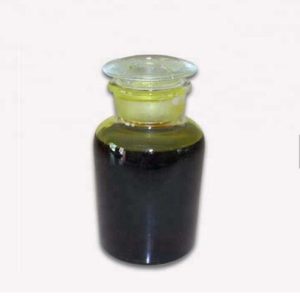
    Ferric Chloride 40% price per ton
    Ferric Chloride 40% supplied by Anflo Inter Chemical Products Trading.

    Ferric Chloride 40% price per ton: Key Facts

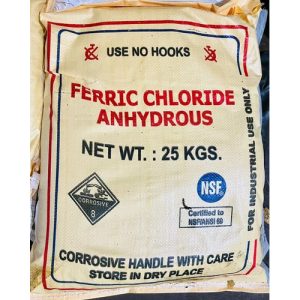
    ProductFerric Chloride 40%
    CAS number7705-08-0
    FormulaCl3Fe
    AppearanceDark brown liquid
    Packaging50 kg drums / 20Tons / 20ft Container 1475kg IBC / 26.55Tons / 20ft Container  
    Transport classUN 2582, Class 8 (corrosive)
    List priceUSD 230.00 per MT (volume orders quoted individually)
    CategoryWater Treatment Chemicals

    What Ferric Chloride 40% Is and Where Plants Use It

    Ferric chloride (FeCl3, CAS 7705-08-0) is an iron-based coagulant. The 40% grade is a dark brown aqueous solution, which makes it easy to pump and dose straight from the tank without dissolving solids on site. When it is added to water, the iron forms hydroxide flocs that trap suspended solids, colour and organic matter so they can be settled and filtered out.

    Typical uses include:

    • coagulation of drinking water and municipal or industrial wastewater;
    • chemical phosphorus removal, where the iron binds phosphate into an insoluble precipitate;
    • hydrogen sulfide and odour control in sewer networks and digesters;
    • sludge conditioning before dewatering;
    • etching of copper on printed circuit boards.

    Compared with aluminium coagulants, ferric chloride usually works across a wider pH window and forms dense, fast-settling flocs. If you are still choosing a coagulant, our article on coagulation, disinfection and pH control sets out the main options side by side.

    Ferric Chloride 40% Specifications for Buyers

    Two offers can both say “40%” and still deliver different amounts of active iron. Ask every supplier to state these values on the specification sheet and to confirm them on the certificate of analysis (COA) for your lot:

    ParameterWhat buyers usually requestWhy it matters
    FeCl3 contentAround 40% by weight (often stated as a minimum)Sets the active dose per kilogram
    Fe3+ contentRoughly 13–14%The figure process engineers use to calculate dosing
    Fe2+ (ferrous) contentAs low as possibleFerrous iron is less effective as a coagulant
    Free HClLow, usually below 1%Affects corrosion and pH depression
    Density at 20 °CAbout 1.4 g/cm³Converts dosing pump litres into kilograms
    Heavy metalsWithin your drinking-water standardRequired for potable water use

    These are typical industry ranges, not guarantees. Always check the COA of the actual lot, and for potable water confirm the product meets the standard your regulator applies, for example EN 888 in Europe or NSF/ANSI/CAN 60 in North America.
    Water Treatment Chemicals supplied in bulk by Anflo
    Water Treatment Chemicals range from Anflo Inter Chemical Products Trading.

    What Drives the Ferric Chloride 40% Price per Ton

    Our current list price is shown in the key facts table above. When you compare it with other quotations, these factors explain most of the difference:

    1. Raw material route. Ferric chloride is made from iron sources and chlorine or hydrochloric acid, so movements in those inputs reach the price.
    2. Iron content. A slightly weaker solution can look cheaper per ton but cost more per kilogram of Fe3+ delivered.
    3. Packaging. Drums cost more per ton to fill and handle than IBCs; IBCs carry more product per container.
    4. Volume and frequency. Full containers and regular call-offs are priced better than single part loads.
    5. Delivery basis. FOB excludes sea freight and insurance, CIF and CFR include them. Compare offers on the same Incoterm.
    Buyer tip: divide each quoted price by the guaranteed Fe3+ percentage. The result, cost per kilogram of active iron, is the fairest way to compare two ferric chloride offers.

    Ferric Chloride 40% Import: Packaging, Container Loads and Dangerous Goods

    A smooth Ferric Chloride 40% import starts with choosing the right packaging. We currently offer two formats:

    PackagingApproximate load per 20 ft containerBest for
    50 kg drumsAbout 20 tonsSmaller sites and manual handling
    1,475 kg IBCAbout 26.55 tonsPlants with pumps and bulk tanks

    Ferric chloride solution is regulated as dangerous goods: UN 2582, Class 8 (corrosive). Shipping lines will need the safety data sheet and correct labelling, and some ports apply extra handling rules for corrosive cargo. The solution also attacks most metals and stains concrete, so store it in compatible plastic or rubber-lined tanks with secondary containment.

    Our logistics and shipping page explains how we arrange containers, documents and dangerous-goods declarations for your destination port. Technical data such as hazard statements are also summarised on the PubChem ferric chloride record.

    How to Buy Ferric Chloride 40% for Wastewater Treatment from a Bulk Supplier

    To buy Ferric Chloride 40% for wastewater treatment with confidence, follow the steps experienced plant buyers use:

    1. Jar test. Confirm the dose on your own water, especially if you are switching from an aluminium coagulant.
    2. Fix the specification. State minimum FeCl3 or Fe3+, maximum free acid and any heavy-metal limits.
    3. Choose packaging. Drums or IBCs, depending on your unloading equipment.
    4. Agree documents. COA, SDS, packing list, commercial invoice, bill of lading and certificate of origin if required.
    5. Plan stock. Order early enough that the next container arrives before your tank reaches safety level.

    A reliable Ferric Chloride 40% bulk supplier should answer all of these points in writing. Send your requirements through our quote form and we reply with an offer for your port. Our quality control page explains how lots are documented. For a broader view of plant purchasing, read what procurement teams should compare for sewage-treatment chemicals, and see the WHO Guidelines for Drinking-water Quality for the health framework behind potable water treatment.

    Need a different form? Compare solid Ferric Chloride 96%, ferric aluminium sulfate granular or sodium hypochlorite for disinfection in our water treatment chemicals range.

    Ready to buy Ferric Chloride 40%?
    From USD 230 / MT
    Send grade, quantity and destination port for a written quotation.

    Related Products Buyers Order With Ferric Chloride 40%
    Frequently asked questions

    What does 40% mean in Ferric Chloride 40%?

    It is the concentration of ferric chloride (FeCl3) in the water solution, roughly 40% by weight. That corresponds to about 13 to 14% iron (Fe3+), which is the figure used to calculate the dose.

    Is Ferric Chloride 40% dangerous goods for shipping?

    Yes. The solution ships as UN 2582, Class 8 corrosive, so it needs proper labelling, the safety data sheet and a dangerous-goods declaration.

    How much Ferric Chloride 40% fits in a 20 ft container?

    About 20 tons in 50 kg drums or about 26.55 tons in 1,475 kg IBCs. The exact load is confirmed in your quotation.

    Should I choose drums or IBCs?

    IBCs carry more product per container and suit sites with pumps and bulk tanks. Drums are easier for small sites that unload and dose by hand.

    Need a bulk quotation for Ferric Chloride 40%? Send your requirements to Anflo or email sales@anflointerchem.shop.
  • Trichloroisocyanuric Acid 90% (TCCA 90%) / Tablets Bulk Import Guide for Pool and Water Distributors

    Trichloroisocyanuric Acid 90% (TCCA 90%) / Tablets Bulk Import Guide for Pool and Water Distributors

    POOL & WATER TREATMENT • DISTRIBUTOR GUIDE

    A well-planned Trichloroisocyanuric Acid 90% (TCCA 90%) / Tablets bulk import lets pool and water-treatment distributors buy before the season, protect margins and avoid dangerous-goods surprises. This guide covers the specifications to fix in your order, the shipping rules for an oxidiser, and what moves the price.

    Trichloroisocyanuric Acid 90% (TCCA 90%) / Tablets bulk import
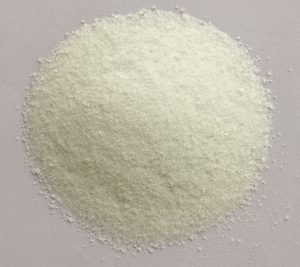
    Trichloroisocyanuric Acid 90% (TCCA 90%) / Tablets supplied by Anflo Inter Chemical Products Trading.

    Trichloroisocyanuric Acid 90% (TCCA 90%) / Tablets bulk import: Key Facts

    ProductTrichloroisocyanuric Acid 90% (TCCA 90%) / Tablets
    CAS number87-90-1
    FormulaC3Cl3N3O3
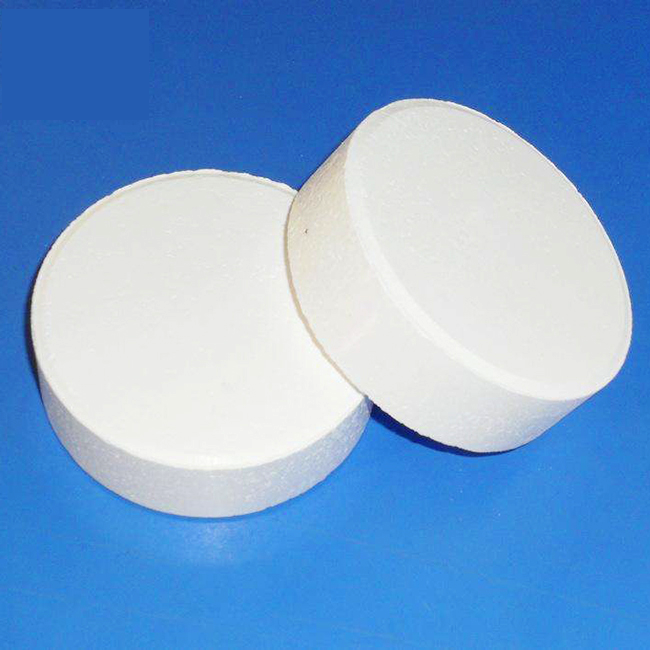
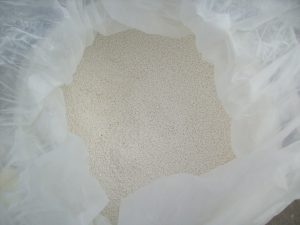
    AppearanceWhite granules, powder or tablets
    Packaging50kg plastic drums 25 kg plastic drums 10 kg plastic drums 5 kg plastic drums
    Transport classUN 2468, Class 5.1 (oxidiser)
    List priceUSD 1,400.00 per MT (volume orders quoted individually)
    CategoryWater Treatment Chemicals

    Why Distributors Stock TCCA 90% Tablets

    Trichloroisocyanuric acid (TCCA) is a stabilised chlorine source with at least 90% available chlorine. When a tablet dissolves it releases hypochlorous acid, which disinfects, together with cyanuric acid, which shields free chlorine from breakdown by sunlight. That combination makes TCCA the standard slow-release chlorine for outdoor pools.

    Distributors stock it because it serves several markets from one product:

    • swimming pool and spa disinfection through floaters, skimmers and feeders;
    • industrial water and cooling system treatment;
    • algae control;
    • textile and surface sanitising.

    The common tablet sizes are 200 g (often called 3-inch), 20 g (1-inch) and small 1–2 g tablets, alongside granules and powder. Multifunction tablets that add a clarifier or algaecide are also traded, but they must be specified separately because their chlorine content is lower.

    Trichloroisocyanuric Acid 90% (TCCA 90%) / Tablets Specifications to Fix in the Order

    Write the Trichloroisocyanuric Acid 90% (TCCA 90%) / Tablets specifications into your purchase order so every shipment matches the last one:

    ParameterTypical requirement
    Available chlorine90.0% minimum
    MoistureAbout 0.5% maximum
    pH of 1% solutionRoughly 2.6–3.2
    Tablet weighte.g. 200 g ± a stated tolerance
    AppearanceWhite tablets, no cracks or crumbling
    PackagingSealed plastic drums with liner

    Tablet hardness and dissolution rate matter to end users: a tablet that crumbles in transit or dissolves too fast creates complaints. Ask for the drop-test or dissolution information your customers expect, and confirm values on the COA for each lot. Independent identity data is available on PubChem.

    Water Treatment Chemicals supplied in bulk by Anflo
    Water Treatment Chemicals range from Anflo Inter Chemical Products Trading.

    Trichloroisocyanuric Acid 90% (TCCA 90%) / Tablets Shipping as an Oxidiser

    TCCA is classified as UN 2468, Class 5.1 (oxidising substance). Trichloroisocyanuric Acid 90% (TCCA 90%) / Tablets shipping therefore follows the dangerous-goods rules of the IMO IMDG Code for sea freight:

    • packages carry the correct UN number, class label and marking;
    • a dangerous-goods declaration and container packing certificate accompany the shipment;
    • not every shipping line or port accepts Class 5.1 on every route, so lead times can be longer than for ordinary cargo.

    Never store or ship TCCA with calcium hypochlorite. Mixing the two can cause a violent reaction and fire. Keep them in separate containers, warehouses or clearly segregated areas, and keep both away from acids, ammonia and organic materials.

    Our logistics team plans the booking, labelling and documents with you before the goods are loaded.

    Trichloroisocyanuric Acid 90% (TCCA 90%) / Tablets Distributor Price: What Moves It

    The list price in the key facts table is the starting point. Your Trichloroisocyanuric Acid 90% (TCCA 90%) / Tablets distributor price then depends on:

    1. Form. Tablets cost more than granules or powder because of pressing and the extra quality control. Compare with our TCCA 90% granules and powder if your customers dose by hand or feeder.
    2. Pack size. 50 kg and 25 kg drums are cheaper per kilogram than 10 kg or 5 kg retail drums.
    3. Season. Demand peaks before the pool season in each hemisphere, so ordering early protects both price and lead time.
    4. Dangerous-goods freight. Class 5.1 surcharges and limited sailings add to landed cost.

    To buy Trichloroisocyanuric Acid 90% (TCCA 90%) / Tablets in drums at the best overall cost, combine sizes in one container where possible and fix the specification once, so repeat orders can be quoted quickly.

    Advise Customers on Stabiliser Build-Up

    Because every TCCA tablet adds cyanuric acid, its level rises in pools that rely only on tablets. Too much stabiliser slows disinfection, and many pool codes set a maximum. Distributors who explain this keep customers loyal: recommend regular testing, partial water replacement when levels climb, and an unstabilised shock such as calcium hypochlorite or SDIC where appropriate, always stored separately.

    Browse the full water treatment chemicals range or read bleach and chlorine differences for industrial buyers for more background.

    Ready to buy Trichloroisocyanuric Acid 90% (TCCA 90%) / Tablets?
    From USD 1,400 / MT
    Send grade, quantity and destination port for a written quotation.

    Related Products Buyers Order With Trichloroisocyanuric Acid 90% (TCCA 90%) / Tablets

    Frequently asked questions

    What is the difference between TCCA and calcium hypochlorite?

    TCCA is a stabilised chlorine with about 90% available chlorine that dissolves slowly, ideal for tablets in outdoor pools. Calcium hypochlorite is unstabilised, around 65 to 70% available chlorine, and is often used for shock dosing. They must never be mixed or stored together.

    Which TCCA tablet sizes are most common?

    200 g tablets are the most widely traded, followed by 20 g tablets and small 1 to 2 g tablets. Granules and powder are also available for feeders and manual dosing.

    Is TCCA classified as dangerous goods?

    Yes. TCCA is UN 2468, Class 5.1 oxidising substance, so it ships under dangerous-goods rules with the correct labels and declarations.

    How should TCCA tablets be stored?

    Keep drums closed in a cool, dry, ventilated store away from calcium hypochlorite, acids, ammonia and organic materials, and use stock in date order.

    Need a bulk quotation for Trichloroisocyanuric Acid 90% (TCCA 90%) / Tablets? Send your requirements to Anflo or email sales@anflointerchem.shop.

  • Calcium Hypochlorite 65% (Calcium Process) Granular Supplier Comparison: How to Choose the Right Offer

    Calcium Hypochlorite 65% (Calcium Process) Granular Supplier Comparison: How to Choose the Right Offer

    WATER DISINFECTION • SUPPLIER COMPARISON

    A careful Calcium Hypochlorite 65% (Calcium Process) Granular supplier comparison looks beyond the price per ton. Available chlorine on arrival, drum quality, dangerous-goods handling and container payload decide what you really pay per kilogram of chlorine. This guide shows how to compare offers like a professional buyer.

    Calcium Hypochlorite 65% (Calcium Process) Granular supplier comparison
    Calcium Hypochlorite 65% (Calcium Process) Granular supplied by Anflo Inter Chemical Products Trading.

    Calcium Hypochlorite 65% (Calcium Process) Granular supplier comparison: Key Facts

    ProductCalcium Hypochlorite 65% (Calcium Process) Granular
    CAS number7778-54-3
    FormulaCaCl2O2
    AppearanceWhite to grey granules, powder or tablets with chlorine odour
    Packaging45kg Drum / 14 Tons / 20ft Cold Container 25kg Drum / 18.15Tons / 20ft Container  
    Transport classUN 1748, Class 5.1 (oxidiser)
    List priceUSD 1,368.00 per MT (volume orders quoted individually)
    CategoryWater Treatment Chemicals

    Calcium Process vs Sodium Process: Know What You Are Buying

    Calcium hypochlorite is made by two main routes. Sodium-process material is generally higher in available chlorine (often around 70%) with fewer insolubles. Calcium-process material, the grade covered here, is typically specified at 65% available chlorine and is usually the more economical option for routine disinfection.

    Both routes are supplied as granules, powder and tablets. Granular product flows well, dissolves reasonably quickly and is easy to dose by hand or through feeders, which is why it is the most traded form for:

    • swimming pool and spa sanitation;
    • municipal and industrial water disinfection;
    • bleaching and surface sanitising;
    • emergency and remote-site water treatment.

    For background on disinfection targets, see the WHO Guidelines for Drinking-water Quality.

    Calcium Hypochlorite 65% (Calcium Process) Granular Specifications to Compare

    Put these Calcium Hypochlorite 65% (Calcium Process) Granular specifications side by side for every supplier:

    ParameterWhat to ask for
    Available chlorine65% minimum, stated at shipment
    Moisture / water contentStated value; it affects stability and UN classification
    Particle sizeGranule range, e.g. a stated mesh range
    Insoluble matterStated maximum; affects cloudiness and residue
    Production dateOn every lot; fresher stock holds chlorine better
    PackagingSealed plastic drums with liner

    Ask each supplier for a recent COA and confirm the test method for available chlorine, so the numbers are comparable. Compound data is available on PubChem.

    Water Treatment Chemicals supplied in bulk by Anflo
    Water Treatment Chemicals range from Anflo Inter Chemical Products Trading.

    Calcium Hypochlorite 65% (Calcium Process) Granular Container Price and Loading

    The Calcium Hypochlorite 65% (Calcium Process) Granular container price depends heavily on the drum size, because drum size sets how many tons fit in a 20 ft container:

    PackingLoad per 20 ft containerApprox. drums
    45 kg drumsAbout 14 tonsAbout 311
    25 kg drumsAbout 18.15 tonsAbout 726

    Freight is charged per container, so a higher payload lowers the freight cost per kilogram. On the other hand, 45 kg drums mean fewer packages to handle. Dangerous-goods surcharges for Class 5.1 also apply, and only some shipping lines accept it on each route; on long, hot routes some buyers choose ventilated or temperature-controlled containers to limit chlorine loss.

    Our list price is in the key facts table; send your destination port through the quote form for a delivered figure.

    The Supplier Comparison Checklist

    1. Chlorine at arrival, not only at loading. Calcium hypochlorite slowly loses available chlorine, faster in heat. Ask how old the stock is and plan delivery close to use.
    2. Drum quality. Thick drums, good lids and an inner liner prevent moisture entry and damage.
    3. Dangerous-goods competence. UN 1748, Class 5.1 cargo needs correct labels, declarations and booking under the IMDG Code.
    4. Inspection. Agree whether an independent pre-shipment inspection is required.
    5. Same delivery basis. Compare FOB with FOB and CIF with CIF.

    When these points match, you can buy Calcium Hypochlorite 65% (Calcium Process) Granular on price with confidence. Our quality documentation page explains what we provide with each lot.

    Safe Storage for Calcium Hypochlorite 65% (Calcium Process) Granular for Water Disinfection

    Calcium hypochlorite is a strong oxidiser. Store it in a cool, dry, ventilated area, away from acids, organic materials and combustibles, and keep containers closed. Never mix it with TCCA or other chlorine products: segregate it from TCCA tablets at all times. Rotate stock so the oldest drums are used first.

    Need a different form? Compare calcium hypochlorite powder, tablets or liquid sodium hypochlorite in our water treatment chemicals range.

    Ready to buy Calcium Hypochlorite 65% (Calcium Process) Granular?
    From USD 1,368 / MT
    Send grade, quantity and destination port for a written quotation.

    Related Products Buyers Order With Calcium Hypochlorite 65% (Calcium Process) Granular

    Frequently asked questions

    Why does available chlorine drop during shipping?

    Calcium hypochlorite decomposes slowly, faster at higher temperatures and with moisture. Fresh stock, good drums and planning delivery close to use keep losses low.

    How many drums fit in a 20 ft container?

    About 311 drums of 45 kg (around 14 tons) or about 726 drums of 25 kg (around 18.15 tons). The exact load is confirmed in the quotation.

    Is calcium hypochlorite used for drinking water?

    Yes, it is widely used to disinfect drinking water. Dose and residual chlorine must follow the standards of your local regulator.

    What is the UN number for calcium hypochlorite 65%?

    Dry calcium hypochlorite is shipped as UN 1748, Class 5.1 oxidiser. Confirm the classification on the SDS for your lot.

    Need a bulk quotation for Calcium Hypochlorite 65% (Calcium Process) Granular? Send your requirements to Anflo or email sales@anflointerchem.shop.
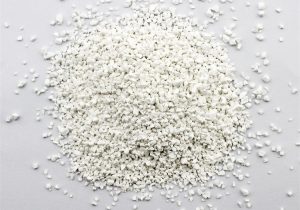
  • Polyaluminium Chloride 30% (PAC 30%) Price per Ton: 2026 Bulk Buyer Guide

    Polyaluminium Chloride 30% (PAC 30%) Price per Ton: 2026 Bulk Buyer Guide

    WATER TREATMENT • BULK BUYING GUIDE

    The Polyaluminium Chloride 30% (PAC 30%) price per ton on a quotation is only part of the story. This guide explains what sits behind the number, which specifications protect your plant, and how to buy PAC 30% in bulk for drinking water, wastewater and industrial treatment without paying for the wrong grade.

    Polyaluminium Chloride 30% (PAC 30%) price per ton
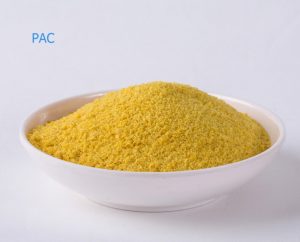
    Polyaluminium Chloride 30% (PAC 30%) supplied by Anflo Inter Chemical Products Trading.

    Polyaluminium Chloride 30% (PAC 30%) price per ton: Key Facts

    ProductPolyaluminium Chloride 30% (PAC 30%)
    CAS number1327-41-9
    FormulaAln(OH)mCl(3n-m)
    AppearanceYellow to light-brown powder
    Packaging25kg woven bag
    Transport classNot classified for transport; confirm on the SDS
    List priceUSD 456.25 per MT (volume orders quoted individually)
    CategoryWater Treatment Chemicals

    What PAC 30% Is and Why Treatment Plants Use It

    Polyaluminium chloride is a pre-polymerised aluminium coagulant. The “30%” refers to the aluminium oxide (Al2O3) content of the powder, which is the active part that destabilises suspended particles, colour and turbidity so they can be settled or filtered out.

    Compared with aluminium sulfate, PAC usually forms flocs faster, consumes less of the water’s natural alkalinity, works over a wider pH window and produces less sludge. Many operators also find it more forgiving in cold water, when conventional alum slows down. That is why PAC 30% is used for:

    • drinking water clarification in municipal and private plants;
    • industrial and municipal wastewater treatment;
    • paper mill retention and sizing;
    • oil-field and mining process water.

    If you are still deciding between coagulants, our guide to coagulation, disinfection and pH control compares the main options.

    Polyaluminium Chloride 30% (PAC 30%) Specifications a Bulk Supplier Should State

    Before you compare prices, make sure every offer describes the same material. A reliable Polyaluminium Chloride 30% (PAC 30%) bulk supplier states these values on the specification sheet and confirms them on the certificate of analysis (COA) for your lot:

    ParameterTypical range buyers requestWhy it matters
    Al2O3 content29–31%Sets the active dose per kilogram
    BasicityAbout 40–90%, depending on gradeAffects floc speed and pH impact
    Water-insoluble matterBelow about 0.5% (spray-dried) to 1.5% (drum-dried)Insolubles add sludge and can block dosing lines
    pH of 1% solutionRoughly 3.5–5.0Confirms the product is within normal range
    Heavy metalsPer drinking-water standardRequired for potable water use

    The Polyaluminium Chloride 30% (PAC 30%) specifications above are typical industry ranges, not guarantees; always confirm the limits on the COA of the lot you buy.

    Spray-dried or drum-dried?

    Spray-dried PAC is a fine, light yellow powder with low insolubles and is the usual choice for drinking water. Drum-dried (roller-dried) PAC is darker, contains more insoluble matter and is normally cheaper, which suits wastewater and many industrial uses. Asking which process was used is the quickest way to explain a large price gap between two offers.

    Water Treatment Chemicals supplied in bulk by Anflo
    Water Treatment Chemicals range from Anflo Inter Chemical Products Trading.

    What Drives the Polyaluminium Chloride 30% (PAC 30%) Price per Ton

    Our current list price is shown in the key facts table above. When you compare quotations from different suppliers, these factors explain most of the difference:

    1. Raw materials. PAC is made from aluminium sources such as aluminium hydroxide and hydrochloric acid, so movements in those inputs feed through to the price.
    2. Drying process and grade. Spray-dried, drinking-water grade costs more than drum-dried industrial grade.
    3. Packaging. Standard 25 kg woven bags with an inner liner are the most economical; jumbo bags or custom printing change the cost.
    4. Volume. Full-container orders are priced better than part loads, and regular monthly orders better still.
    5. Delivery basis. An FOB price excludes sea freight and insurance; a CIF or CFR price includes them. Compare on the same basis.

    The figure that matters for your budget is the landed cost: price plus freight, insurance, import duty and local handling, divided by the tons actually delivered. Because PAC is shipped as a solid in bags, a 20 ft container commonly carries around 20 to 25 tons depending on palletising, which keeps freight per ton reasonable.

    How to Buy Polyaluminium Chloride 30% (PAC 30%) for Water Treatment

    To buy Polyaluminium Chloride 30% (PAC 30%) for water treatment with confidence, follow the same sequence experienced plant buyers use:

    1. Jar test first. Request a sample and run jar tests on your raw water to set the dose and confirm performance against your current coagulant.
    2. Fix the grade. Specify drinking-water or industrial grade, spray-dried or drum-dried, and the Al2O3 minimum.
    3. Check compliance. For potable water, confirm the product meets the standard your regulator applies, such as EN 883 in Europe or NSF/ANSI/CAN 60 in North America, alongside the WHO Guidelines for Drinking-water Quality.
    4. Agree documents. COA, SDS, packing list, commercial invoice, bill of lading and, if required, a certificate of origin.
    5. Plan stock. Order so a new container arrives before you fall below four to six weeks of use.

    You can send these details through our quote form and we reply with a written offer for your destination port. For a wider view of plant purchasing, read our water treatment procurement framework.

    Polyaluminium Chloride 30% (PAC 30%) Import: Storage and Shipping

    A smooth Polyaluminium Chloride 30% (PAC 30%) import depends on keeping the powder dry from loading to use. PAC is hygroscopic: it absorbs moisture from the air, cakes and becomes difficult to dose if bags are damaged or stored in humid conditions.

    • Store bags sealed, on pallets, under cover and away from water.
    • Use the oldest stock first and reseal opened bags immediately.
    • Prepare dosing solutions in clean, acid-resistant tanks, as PAC solutions are acidic.

    PAC 30% is not classified as dangerous goods for transport, which keeps shipping simple, but always confirm the classification on the safety data sheet supplied with your order. Our logistics and shipping and quality documentation pages explain how we handle containers, inspections and paperwork. If your process needs a different strength, compare PAC 28% or iron-based ferric chloride 40% in the same water treatment chemicals range.

    Ready to buy Polyaluminium Chloride 30% (PAC 30%)?
    From USD 456 / MT
    Send grade, quantity and destination port for a written quotation.

    Related Products Buyers Order With Polyaluminium Chloride 30% (PAC 30%)

    Frequently asked questions

    What does the 30% mean in PAC 30%?

    It is the aluminium oxide (Al2O3) content of the powder, typically 29 to 31%. Higher Al2O3 means more active coagulant per kilogram, which affects the dose and the cost per cubic metre treated.

    Is PAC 30% better than aluminium sulfate?

    In many plants PAC forms flocs faster, uses less alkalinity, works over a wider pH range and produces less sludge. The right choice depends on your water, so confirm it with jar tests.

    How much PAC 30% fits in a 20 ft container?

    Packed in 25 kg bags, a 20 ft container commonly carries around 20 to 25 metric tons depending on palletising. The exact load is confirmed in the quotation.

    Can I get a sample before ordering in bulk?

    Ask for a sample when you request a quote so you can run jar tests. We confirm sample availability and shipping for your country in our reply.

    Need a bulk quotation for Polyaluminium Chloride 30% (PAC 30%)? Send your requirements to Anflo or email sales@anflointerchem.shop.
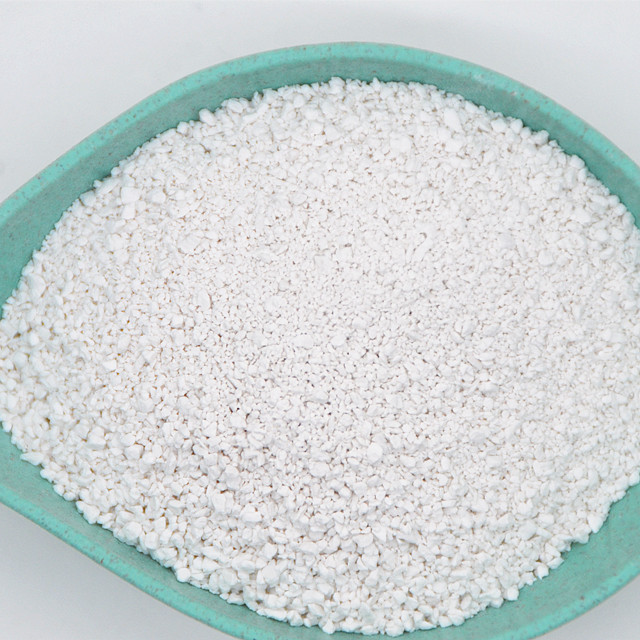
  • Six Core Chemicals for Water Treatment Plants: Building a Bulk Procurement List

    Six Core Chemicals for Water Treatment Plants: Building a Bulk Procurement List

    B2B CHEMICAL SOURCING • WATER TREATMENT

    Water and wastewater procurement starts with the treatment objective, water chemistry, required concentration or active content, dosing method, compliance needs and dependable delivery. This guide is written for procurement teams, manufacturers, distributors and other international B2B buyers comparing bulk chemical supply options.

    What buyers should understand about Six Core Chemicals for Water Treatment Plants: Building a Bulk Procurement List

    Buying a chemical for industrial use is rarely just a price exercise. The material has to match the process, the required specification has to be documented, and the commercial offer has to make sense for the destination. For water treatment plant chemicals, start by defining the exact product name, grade or concentration, physical form, expected quantity and intended application.

    Where a chemical has several grades or forms, do not assume that a lower unit price represents the better offer. Differences in purity, active content, moisture, particle size, packaging, shelf life, freight basis and delivery schedule can materially change the delivered cost and production result.

    Key specification points

    • Identity: confirm the chemical name, CAS number where relevant, and the exact grade requested.
    • Quality: define purity, concentration, active content and any critical limits required by the application.
    • Physical form: confirm powder, flakes, pearls, crystals, liquid, solution or other required form.
    • Packaging: specify bag, drum, jumbo bag, IBC or other packaging together with net weight per unit.
    • Documentation: request the current specification sheet, SDS and COA or equivalent quality documentation applicable to the transaction.
    • Destination: give the delivery country and, when needed, port or city so the quotation can be compared on a meaningful freight basis.

    Application and process fit

    The right material is the one that fits the buyer’s process. In this subject area, relevant considerations can include coagulation, flocculation, disinfection, oxidation, pH adjustment, wastewater treatment. Procurement teams should therefore share enough process information for a supplier to quote an equivalent product instead of making assumptions from a product name alone.

    For regulated, hazardous or application-sensitive chemicals, the buyer should also confirm local import rules, storage requirements, transport restrictions and any sector-specific approvals before placing an order. Safety documentation should be reviewed by the responsible technical or EHS team.

    How to compare bulk chemical offers

    1. Write one consistent specification and send it to each supplier.
    2. Compare like-for-like grade, concentration, purity and physical form.
    3. Check the packing configuration and total net quantity.
    4. Compare the same delivery basis, destination and lead-time assumptions.
    5. Verify documentation before approving the commercial offer.
    6. Confirm whether the quoted material is available for repeat supply, not only for one shipment.
    Procurement tip: Put the technical specification, quantity, packaging and destination in the first enquiry. A complete buying brief produces cleaner quotations and makes supplier comparison much easier.

    Bulk sourcing with Anflo

    Anflo Inter Chemical Products Trading supports international B2B chemical sourcing from the Philippines for buyers looking for dependable bulk supply across multiple chemical categories. We can help structure an enquiry around product specification, quantity, packaging, destination and documentation requirements rather than relying on a generic product name.

    Related Anflo products: Water Soluble Fertilizer EDTA-NPK 20 20 20 · Ferric Chloride 96% · Ferric Chloride 40%. You can also explore the Water Treatment range or request a quotation for your required chemical.

    Technical references

    For independent chemical identification, safety and regulatory research, buyers can consult PubChem, U.S. EPA for authoritative background information. Always confirm destination-country requirements with the responsible compliance team.

    Buy the Chemicals in This Guide: Six Core Chemicals for Water Treatment Plants: Building a Bulk Procurement List

    Six Core Chemicals for Water Treatment Plants: Building a Bulk Procurement List

    If this guide on Six Core Chemicals for Water Treatment Plants: Building a Bulk Procurement List matches a requirement you are pricing, Anflo Inter Chemical Products Trading can quote the products below in bulk for delivery worldwide. Use the checks in Six Core Chemicals for Water Treatment Plants: Building a Bulk Procurement List when you compare supplier offers, and share them with your quality team before you confirm an order.

    Send the grade, quantity and destination port through our quote form or browse the full chemical catalogue. Mention Six Core Chemicals for Water Treatment Plants: Building a Bulk Procurement List in your enquiry and we will match the specification points from this guide.

    Frequently asked questions

    What information should I include when requesting a bulk chemical quotation?

    Include the exact chemical name, grade or concentration, quantity, packaging preference, application, destination and any required documentation such as SDS or COA.

    Should I compare chemical suppliers on price alone?

    No. A useful comparison includes technical equivalence, quality documentation, packaging, freight or delivery basis, lead time and supply continuity as well as price.

    Can Anflo support international B2B chemical enquiries?

    Yes. Anflo Inter Chemical Products Trading handles international B2B enquiries and can review the required specification, quantity, destination and documentation needs before quotation.

    Need a bulk chemical quotation? Send your requirements to Anflo or contact sales@anflointerchem.shop.
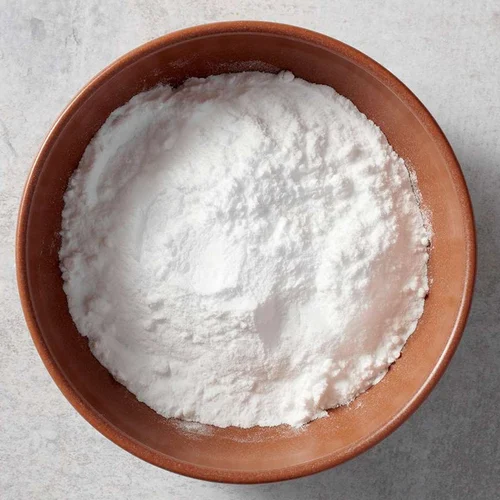
  • Ferrous Sulfate for Bulk Buyers: Grade, Packaging and Logistics

    Ferrous Sulfate for Bulk Buyers: Grade, Packaging and Logistics

    Ferrous Sulfate for Bulk Buyers: Grade Packaging and Logistics: a buying guide from Anflo Inter Chemical Products Trading for B2B chemical buyers.

    B2B CHEMICAL SOURCING • WATER TREATMENT

    Water and wastewater procurement starts with the treatment objective, water chemistry, required concentration or active content, dosing method, compliance needs and dependable delivery. This guide is written for procurement teams, manufacturers, distributors and other international B2B buyers comparing bulk chemical supply options.

    What buyers should understand about Ferrous Sulfate for Bulk Buyers: Grade, Packaging and Logistics

    Buying a chemical for industrial use is rarely just a price exercise. The material has to match the process, the required specification has to be documented, and the commercial offer has to make sense for the destination. For ferrous sulfate bulk, start by defining the exact product name, grade or concentration, physical form, expected quantity and intended application.

    Where a chemical has several grades or forms, do not assume that a lower unit price represents the better offer. Differences in purity, active content, moisture, particle size, packaging, shelf life, freight basis and delivery schedule can materially change the delivered cost and production result.

    Key specification points

    • Identity: confirm the chemical name, CAS number where relevant, and the exact grade requested.
    • Quality: define purity, concentration, active content and any critical limits required by the application.
    • Physical form: confirm powder, flakes, pearls, crystals, liquid, solution or other required form.
    • Packaging: specify bag, drum, jumbo bag, IBC or other packaging together with net weight per unit.
    • Documentation: request the current specification sheet, SDS and COA or equivalent quality documentation applicable to the transaction.
    • Destination: give the delivery country and, when needed, port or city so the quotation can be compared on a meaningful freight basis.

    Application and process fit

    The right material is the one that fits the buyer’s process. In this subject area, relevant considerations can include coagulation, flocculation, disinfection, oxidation, pH adjustment, wastewater treatment. Procurement teams should therefore share enough process information for a supplier to quote an equivalent product instead of making assumptions from a product name alone.

    For regulated, hazardous or application-sensitive chemicals, the buyer should also confirm local import rules, storage requirements, transport restrictions and any sector-specific approvals before placing an order. Safety documentation should be reviewed by the responsible technical or EHS team.

    How to compare bulk chemical offers

    1. Write one consistent specification and send it to each supplier.
    2. Compare like-for-like grade, concentration, purity and physical form.
    3. Check the packing configuration and total net quantity.
    4. Compare the same delivery basis, destination and lead-time assumptions.
    5. Verify documentation before approving the commercial offer.
    6. Confirm whether the quoted material is available for repeat supply, not only for one shipment.
    Procurement tip: Put the technical specification, quantity, packaging and destination in the first enquiry. A complete buying brief produces cleaner quotations and makes supplier comparison much easier.

    Bulk sourcing with Anflo

    Anflo Inter Chemical Products Trading supports international B2B chemical sourcing from the Philippines for buyers looking for dependable bulk supply across multiple chemical categories. We can help structure an enquiry around product specification, quantity, packaging, destination and documentation requirements rather than relying on a generic product name.

    Related Anflo products: Ferrous Sulfate Monohydrate · Ferrous Sulfate Heptahydrate · Ferric Aluminium Sulfate GRANULAR 16% (Ferrous). You can also explore the Water Treatment range or request a quotation for your required chemical.

    Technical references

    For independent chemical identification, safety and regulatory research, buyers can consult PubChem, U.S. EPA for authoritative background information. Always confirm destination-country requirements with the responsible compliance team.

    Buy the Chemicals in This Guide: Ferrous Sulfate for Bulk Buyers: Grade Packaging and Logistics

    Ferrous Sulfate for Bulk Buyers: Grade Packaging and Logistics

    If this guide on Ferrous Sulfate for Bulk Buyers: Grade Packaging and Logistics matches a requirement you are pricing, Anflo Inter Chemical Products Trading can quote the products below in bulk for delivery worldwide. Use the checks in Ferrous Sulfate for Bulk Buyers: Grade Packaging and Logistics when you compare supplier offers, and share them with your quality team before you confirm an order.

    Send the grade, quantity and destination port through our quote form or browse the full chemical catalogue. Mention Ferrous Sulfate for Bulk Buyers: Grade Packaging and Logistics in your enquiry and we will match the specification points from this guide.

    Frequently asked questions

    What information should I include when requesting a bulk chemical quotation?

    Include the exact chemical name, grade or concentration, quantity, packaging preference, application, destination and any required documentation such as SDS or COA.

    Should I compare chemical suppliers on price alone?

    No. A useful comparison includes technical equivalence, quality documentation, packaging, freight or delivery basis, lead time and supply continuity as well as price.

    Can Anflo support international B2B chemical enquiries?

    Yes. Anflo Inter Chemical Products Trading handles international B2B enquiries and can review the required specification, quantity, destination and documentation needs before quotation.

    Need a bulk chemical quotation? Send your requirements to Anflo or contact sales@anflointerchem.shop.

  • Ferrous Sulfate Buying Guide for Industrial and Water Applications

    Ferrous Sulfate Buying Guide for Industrial and Water Applications

    B2B CHEMICAL SOURCING • WATER TREATMENT

    Water and wastewater procurement starts with the treatment objective, water chemistry, required concentration or active content, dosing method, compliance needs and dependable delivery. This guide is written for procurement teams, manufacturers, distributors and other international B2B buyers comparing bulk chemical supply options.

    What buyers should understand about Ferrous Sulfate Buying Guide for Industrial and Water Applications

    Buying a chemical for industrial use is rarely just a price exercise. The material has to match the process, the required specification has to be documented, and the commercial offer has to make sense for the destination. For ferrous sulfate buying guide, start by defining the exact product name, grade or concentration, physical form, expected quantity and intended application.

    Where a chemical has several grades or forms, do not assume that a lower unit price represents the better offer. Differences in purity, active content, moisture, particle size, packaging, shelf life, freight basis and delivery schedule can materially change the delivered cost and production result.

    Key specification points

    • Identity: confirm the chemical name, CAS number where relevant, and the exact grade requested.
    • Quality: define purity, concentration, active content and any critical limits required by the application.
    • Physical form: confirm powder, flakes, pearls, crystals, liquid, solution or other required form.
    • Packaging: specify bag, drum, jumbo bag, IBC or other packaging together with net weight per unit.
    • Documentation: request the current specification sheet, SDS and COA or equivalent quality documentation applicable to the transaction.
    • Destination: give the delivery country and, when needed, port or city so the quotation can be compared on a meaningful freight basis.

    Application and process fit

    The right material is the one that fits the buyer’s process. In this subject area, relevant considerations can include coagulation, flocculation, disinfection, oxidation, pH adjustment, wastewater treatment. Procurement teams should therefore share enough process information for a supplier to quote an equivalent product instead of making assumptions from a product name alone.

    For regulated, hazardous or application-sensitive chemicals, the buyer should also confirm local import rules, storage requirements, transport restrictions and any sector-specific approvals before placing an order. Safety documentation should be reviewed by the responsible technical or EHS team.

    How to compare bulk chemical offers

    1. Write one consistent specification and send it to each supplier.
    2. Compare like-for-like grade, concentration, purity and physical form.
    3. Check the packing configuration and total net quantity.
    4. Compare the same delivery basis, destination and lead-time assumptions.
    5. Verify documentation before approving the commercial offer.
    6. Confirm whether the quoted material is available for repeat supply, not only for one shipment.
    Procurement tip: Put the technical specification, quantity, packaging and destination in the first enquiry. A complete buying brief produces cleaner quotations and makes supplier comparison much easier.

    Bulk sourcing with Anflo

    Anflo Inter Chemical Products Trading supports international B2B chemical sourcing from the Philippines for buyers looking for dependable bulk supply across multiple chemical categories. We can help structure an enquiry around product specification, quantity, packaging, destination and documentation requirements rather than relying on a generic product name.

    Related Anflo products: Ferric Aluminium Sulfate GRANULAR 16% (Ferrous) · Ferric Aluminium Sulfate FLAKE 16% (Ferrous) · Ferric Aluminium Sulfate POWDER 16% (Ferrous). You can also explore the Water Treatment range or request a quotation for your required chemical.

    Technical references

    For independent chemical identification, safety and regulatory research, buyers can consult PubChem, U.S. EPA for authoritative background information. Always confirm destination-country requirements with the responsible compliance team.

    Buy the Chemicals in This Guide: Ferrous Sulfate Buying Guide for Industrial and Water Applications

    Ferrous Sulfate Buying Guide for Industrial and Water Applications

    If this guide on Ferrous Sulfate Buying Guide for Industrial and Water Applications matches a requirement you are pricing, Anflo Inter Chemical Products Trading can quote the products below in bulk for delivery worldwide. Use the checks in Ferrous Sulfate Buying Guide for Industrial and Water Applications when you compare supplier offers, and share them with your quality team before you confirm an order.

    Send the grade, quantity and destination port through our quote form or browse the full chemical catalogue. Mention Ferrous Sulfate Buying Guide for Industrial and Water Applications in your enquiry and we will match the specification points from this guide.

    Frequently asked questions

    What information should I include when requesting a bulk chemical quotation?

    Include the exact chemical name, grade or concentration, quantity, packaging preference, application, destination and any required documentation such as SDS or COA.

    Should I compare chemical suppliers on price alone?

    No. A useful comparison includes technical equivalence, quality documentation, packaging, freight or delivery basis, lead time and supply continuity as well as price.

    Can Anflo support international B2B chemical enquiries?

    Yes. Anflo Inter Chemical Products Trading handles international B2B enquiries and can review the required specification, quantity, destination and documentation needs before quotation.

    Need a bulk chemical quotation? Send your requirements to Anflo or contact sales@anflointerchem.shop.

  • Water Treatment Chemical Selection: Coagulation, Disinfection and pH Control

    Water Treatment Chemical Selection: Coagulation, Disinfection and pH Control

    Water Treatment Chemical Selection: Coagulation Disinfection and pH Control: a buying guide from Anflo Inter Chemical Products Trading for B2B chemical buyers.

    B2B CHEMICAL SOURCING • WATER TREATMENT

    Water and wastewater procurement starts with the treatment objective, water chemistry, required concentration or active content, dosing method, compliance needs and dependable delivery. This guide is written for procurement teams, manufacturers, distributors and other international B2B buyers comparing bulk chemical supply options.

    What buyers should understand about Water Treatment Chemical Selection: Coagulation, Disinfection and pH Control

    Buying a chemical for industrial use is rarely just a price exercise. The material has to match the process, the required specification has to be documented, and the commercial offer has to make sense for the destination. For water treatment chemical selection, start by defining the exact product name, grade or concentration, physical form, expected quantity and intended application.

    Where a chemical has several grades or forms, do not assume that a lower unit price represents the better offer. Differences in purity, active content, moisture, particle size, packaging, shelf life, freight basis and delivery schedule can materially change the delivered cost and production result.

    Key specification points

    • Identity: confirm the chemical name, CAS number where relevant, and the exact grade requested.
    • Quality: define purity, concentration, active content and any critical limits required by the application.
    • Physical form: confirm powder, flakes, pearls, crystals, liquid, solution or other required form.
    • Packaging: specify bag, drum, jumbo bag, IBC or other packaging together with net weight per unit.
    • Documentation: request the current specification sheet, SDS and COA or equivalent quality documentation applicable to the transaction.
    • Destination: give the delivery country and, when needed, port or city so the quotation can be compared on a meaningful freight basis.

    Application and process fit

    The right material is the one that fits the buyer’s process. In this subject area, relevant considerations can include coagulation, flocculation, disinfection, oxidation, pH adjustment, wastewater treatment. Procurement teams should therefore share enough process information for a supplier to quote an equivalent product instead of making assumptions from a product name alone.

    For regulated, hazardous or application-sensitive chemicals, the buyer should also confirm local import rules, storage requirements, transport restrictions and any sector-specific approvals before placing an order. Safety documentation should be reviewed by the responsible technical or EHS team.

    How to compare bulk chemical offers

    1. Write one consistent specification and send it to each supplier.
    2. Compare like-for-like grade, concentration, purity and physical form.
    3. Check the packing configuration and total net quantity.
    4. Compare the same delivery basis, destination and lead-time assumptions.
    5. Verify documentation before approving the commercial offer.
    6. Confirm whether the quoted material is available for repeat supply, not only for one shipment.
    Procurement tip: Put the technical specification, quantity, packaging and destination in the first enquiry. A complete buying brief produces cleaner quotations and makes supplier comparison much easier.

    Bulk sourcing with Anflo

    Anflo Inter Chemical Products Trading supports international B2B chemical sourcing from the Philippines for buyers looking for dependable bulk supply across multiple chemical categories. We can help structure an enquiry around product specification, quantity, packaging, destination and documentation requirements rather than relying on a generic product name.

    Related Anflo products: Water Soluble Fertilizer EDTA-NPK 20 20 20 · Ferric Chloride 96% · Maleic Anhydride – MA. You can also explore the Water Treatment range or request a quotation for your required chemical.

    Technical references

    For independent chemical identification, safety and regulatory research, buyers can consult PubChem, U.S. EPA for authoritative background information. Always confirm destination-country requirements with the responsible compliance team.

    Buy the Chemicals in This Guide: Water Treatment Chemical Selection: Coagulation Disinfection and pH Control

    Water Treatment Chemical Selection: Coagulation Disinfection and pH Control

    If this guide on Water Treatment Chemical Selection: Coagulation Disinfection and pH Control matches a requirement you are pricing, Anflo Inter Chemical Products Trading can quote the products below in bulk for delivery worldwide. Use the checks in Water Treatment Chemical Selection: Coagulation Disinfection and pH Control when you compare supplier offers, and share them with your quality team before you confirm an order.

    Send the grade, quantity and destination port through our quote form or browse the full chemical catalogue. Mention Water Treatment Chemical Selection: Coagulation Disinfection and pH Control in your enquiry and we will match the specification points from this guide.

    Frequently asked questions

    What information should I include when requesting a bulk chemical quotation?

    Include the exact chemical name, grade or concentration, quantity, packaging preference, application, destination and any required documentation such as SDS or COA.

    Should I compare chemical suppliers on price alone?

    No. A useful comparison includes technical equivalence, quality documentation, packaging, freight or delivery basis, lead time and supply continuity as well as price.

    Can Anflo support international B2B chemical enquiries?

    Yes. Anflo Inter Chemical Products Trading handles international B2B enquiries and can review the required specification, quantity, destination and documentation needs before quotation.

    Need a bulk chemical quotation? Send your requirements to Anflo or contact sales@anflointerchem.shop.

  • Water Treatment Chemicals for Sale: How to Compare Offers

    Water Treatment Chemicals for Sale: How to Compare Offers

    B2B CHEMICAL SOURCING • WATER TREATMENT

    Water and wastewater procurement starts with the treatment objective, water chemistry, required concentration or active content, dosing method, compliance needs and dependable delivery. This guide is written for procurement teams, manufacturers, distributors and other international B2B buyers comparing bulk chemical supply options.

    What buyers should understand about Water Treatment Chemicals for Sale: How to Compare Offers

    Buying a chemical for industrial use is rarely just a price exercise. The material has to match the process, the required specification has to be documented, and the commercial offer has to make sense for the destination. For water treatment chemicals for sale, start by defining the exact product name, grade or concentration, physical form, expected quantity and intended application.

    Where a chemical has several grades or forms, do not assume that a lower unit price represents the better offer. Differences in purity, active content, moisture, particle size, packaging, shelf life, freight basis and delivery schedule can materially change the delivered cost and production result.

    Key specification points

    • Identity: confirm the chemical name, CAS number where relevant, and the exact grade requested.
    • Quality: define purity, concentration, active content and any critical limits required by the application.
    • Physical form: confirm powder, flakes, pearls, crystals, liquid, solution or other required form.
    • Packaging: specify bag, drum, jumbo bag, IBC or other packaging together with net weight per unit.
    • Documentation: request the current specification sheet, SDS and COA or equivalent quality documentation applicable to the transaction.
    • Destination: give the delivery country and, when needed, port or city so the quotation can be compared on a meaningful freight basis.

    Application and process fit

    The right material is the one that fits the buyer’s process. In this subject area, relevant considerations can include coagulation, flocculation, disinfection, oxidation, pH adjustment, wastewater treatment. Procurement teams should therefore share enough process information for a supplier to quote an equivalent product instead of making assumptions from a product name alone.

    For regulated, hazardous or application-sensitive chemicals, the buyer should also confirm local import rules, storage requirements, transport restrictions and any sector-specific approvals before placing an order. Safety documentation should be reviewed by the responsible technical or EHS team.

    How to compare bulk chemical offers

    1. Write one consistent specification and send it to each supplier.
    2. Compare like-for-like grade, concentration, purity and physical form.
    3. Check the packing configuration and total net quantity.
    4. Compare the same delivery basis, destination and lead-time assumptions.
    5. Verify documentation before approving the commercial offer.
    6. Confirm whether the quoted material is available for repeat supply, not only for one shipment.
    Procurement tip: Put the technical specification, quantity, packaging and destination in the first enquiry. A complete buying brief produces cleaner quotations and makes supplier comparison much easier.

    Bulk sourcing with Anflo

    Anflo Inter Chemical Products Trading supports international B2B chemical sourcing from the Philippines for buyers looking for dependable bulk supply across multiple chemical categories. We can help structure an enquiry around product specification, quantity, packaging, destination and documentation requirements rather than relying on a generic product name.

    Related Anflo products: Ferric Chloride 96% · Maleic Anhydride – MA · Nonylphenol Polyoxyethylene (NP Series). You can also explore the Water Treatment range or request a quotation for your required chemical.

    Technical references

    For independent chemical identification, safety and regulatory research, buyers can consult PubChem, U.S. EPA for authoritative background information. Always confirm destination-country requirements with the responsible compliance team.

    Buy the Chemicals in This Guide: Water Treatment Chemicals for Sale: How to Compare Offers

    Water Treatment Chemicals for Sale: How to Compare Offers

    If this guide on Water Treatment Chemicals for Sale: How to Compare Offers matches a requirement you are pricing, Anflo Inter Chemical Products Trading can quote the products below in bulk for delivery worldwide. Use the checks in Water Treatment Chemicals for Sale: How to Compare Offers when you compare supplier offers, and share them with your quality team before you confirm an order.

    Send the grade, quantity and destination port through our quote form or browse the full chemical catalogue. Mention Water Treatment Chemicals for Sale: How to Compare Offers in your enquiry and we will match the specification points from this guide.

    Frequently asked questions

    What information should I include when requesting a bulk chemical quotation?

    Include the exact chemical name, grade or concentration, quantity, packaging preference, application, destination and any required documentation such as SDS or COA.

    Should I compare chemical suppliers on price alone?

    No. A useful comparison includes technical equivalence, quality documentation, packaging, freight or delivery basis, lead time and supply continuity as well as price.

    Can Anflo support international B2B chemical enquiries?

    Yes. Anflo Inter Chemical Products Trading handles international B2B enquiries and can review the required specification, quantity, destination and documentation needs before quotation.

    Need a bulk chemical quotation? Send your requirements to Anflo or contact sales@anflointerchem.shop.

  • Sodium Carbonate Uses Across Glass, Detergents and Water Treatment

    Sodium Carbonate Uses Across Glass, Detergents and Water Treatment

    Sodium Carbonate Uses Across Glass Detergents and Water Treatment: a buying guide from Anflo Inter Chemical Products Trading for B2B chemical buyers.

    B2B CHEMICAL SOURCING • INDUSTRIAL CHEMICALS

    Water and wastewater procurement starts with the treatment objective, water chemistry, required concentration or active content, dosing method, compliance needs and dependable delivery. This guide is written for procurement teams, manufacturers, distributors and other international B2B buyers comparing bulk chemical supply options.

    What buyers should understand about Sodium Carbonate Uses Across Glass, Detergents and Water Treatment

    Buying a chemical for industrial use is rarely just a price exercise. The material has to match the process, the required specification has to be documented, and the commercial offer has to make sense for the destination. For sodium carbonate uses, start by defining the exact product name, grade or concentration, physical form, expected quantity and intended application.

    Where a chemical has several grades or forms, do not assume that a lower unit price represents the better offer. Differences in purity, active content, moisture, particle size, packaging, shelf life, freight basis and delivery schedule can materially change the delivered cost and production result.

    Key specification points

    • Identity: confirm the chemical name, CAS number where relevant, and the exact grade requested.
    • Quality: define purity, concentration, active content and any critical limits required by the application.
    • Physical form: confirm powder, flakes, pearls, crystals, liquid, solution or other required form.
    • Packaging: specify bag, drum, jumbo bag, IBC or other packaging together with net weight per unit.
    • Documentation: request the current specification sheet, SDS and COA or equivalent quality documentation applicable to the transaction.
    • Destination: give the delivery country and, when needed, port or city so the quotation can be compared on a meaningful freight basis.

    Application and process fit

    The right material is the one that fits the buyer’s process. In this subject area, relevant considerations can include coagulation, flocculation, disinfection, oxidation, pH adjustment, wastewater treatment. Procurement teams should therefore share enough process information for a supplier to quote an equivalent product instead of making assumptions from a product name alone.

    For regulated, hazardous or application-sensitive chemicals, the buyer should also confirm local import rules, storage requirements, transport restrictions and any sector-specific approvals before placing an order. Safety documentation should be reviewed by the responsible technical or EHS team.

    How to compare bulk chemical offers

    1. Write one consistent specification and send it to each supplier.
    2. Compare like-for-like grade, concentration, purity and physical form.
    3. Check the packing configuration and total net quantity.
    4. Compare the same delivery basis, destination and lead-time assumptions.
    5. Verify documentation before approving the commercial offer.
    6. Confirm whether the quoted material is available for repeat supply, not only for one shipment.
    Procurement tip: Put the technical specification, quantity, packaging and destination in the first enquiry. A complete buying brief produces cleaner quotations and makes supplier comparison much easier.

    Bulk sourcing with Anflo

    Anflo Inter Chemical Products Trading supports international B2B chemical sourcing from the Philippines for buyers looking for dependable bulk supply across multiple chemical categories. We can help structure an enquiry around product specification, quantity, packaging, destination and documentation requirements rather than relying on a generic product name.

    Related Anflo products: Soda Ash Light 99% / Sodium Carbonate 99% · Soda Ash Dense 99% / Sodium Carbonate 99% · Sodium Bicarbonate. You can also explore the Industrial Chemicals range or request a quotation for your required chemical.

    Technical references

    For independent chemical identification, safety and regulatory research, buyers can consult PubChem for authoritative background information. Always confirm destination-country requirements with the responsible compliance team.

    Buy the Chemicals in This Guide: Sodium Carbonate Uses Across Glass Detergents and Water Treatment

    Sodium Carbonate Uses Across Glass Detergents and Water Treatment

    If this guide on Sodium Carbonate Uses Across Glass Detergents and Water Treatment matches a requirement you are pricing, Anflo Inter Chemical Products Trading can quote the products below in bulk for delivery worldwide. Use the checks in Sodium Carbonate Uses Across Glass Detergents and Water Treatment when you compare supplier offers, and share them with your quality team before you confirm an order.

    Send the grade, quantity and destination port through our quote form or browse the full chemical catalogue. Mention Sodium Carbonate Uses Across Glass Detergents and Water Treatment in your enquiry and we will match the specification points from this guide.

    Frequently asked questions

    What information should I include when requesting a bulk chemical quotation?

    Include the exact chemical name, grade or concentration, quantity, packaging preference, application, destination and any required documentation such as SDS or COA.

    Should I compare chemical suppliers on price alone?

    No. A useful comparison includes technical equivalence, quality documentation, packaging, freight or delivery basis, lead time and supply continuity as well as price.

    Can Anflo support international B2B chemical enquiries?

    Yes. Anflo Inter Chemical Products Trading handles international B2B enquiries and can review the required specification, quantity, destination and documentation needs before quotation.

    Need a bulk chemical quotation? Send your requirements to Anflo or contact sales@anflointerchem.shop.