Contact
Menu

Product categories

Mining Chemicals40
Water Treatment Chemicals17
Industrial Chemicals48
Special Use Chemicals40
Refrigerant Gases11
Fertilizers32
Additives49
Dairy Ingredients35
Plant Based Ingredients133

Company Information

Anflo Inter Chemical Products Trading

Category: Industrial Chemicals

  • Mono-Dicalcium Phosphate 21% Buying Guide: Feed Specs, Packaging and Price

    Mono-Dicalcium Phosphate 21% Buying Guide: Feed Specs, Packaging and Price

    FEED PHOSPHATES • BUYING GUIDE

    This Mono-Dicalcium Phosphate 21% buying guide is written for feed mills, premix producers and distributors. It explains what MDCP is, how it compares with other feed phosphates, which values to check on the certificate of analysis and what shapes the price you pay per ton.
    Mono-Dicalcium Phosphate 21% buying guide
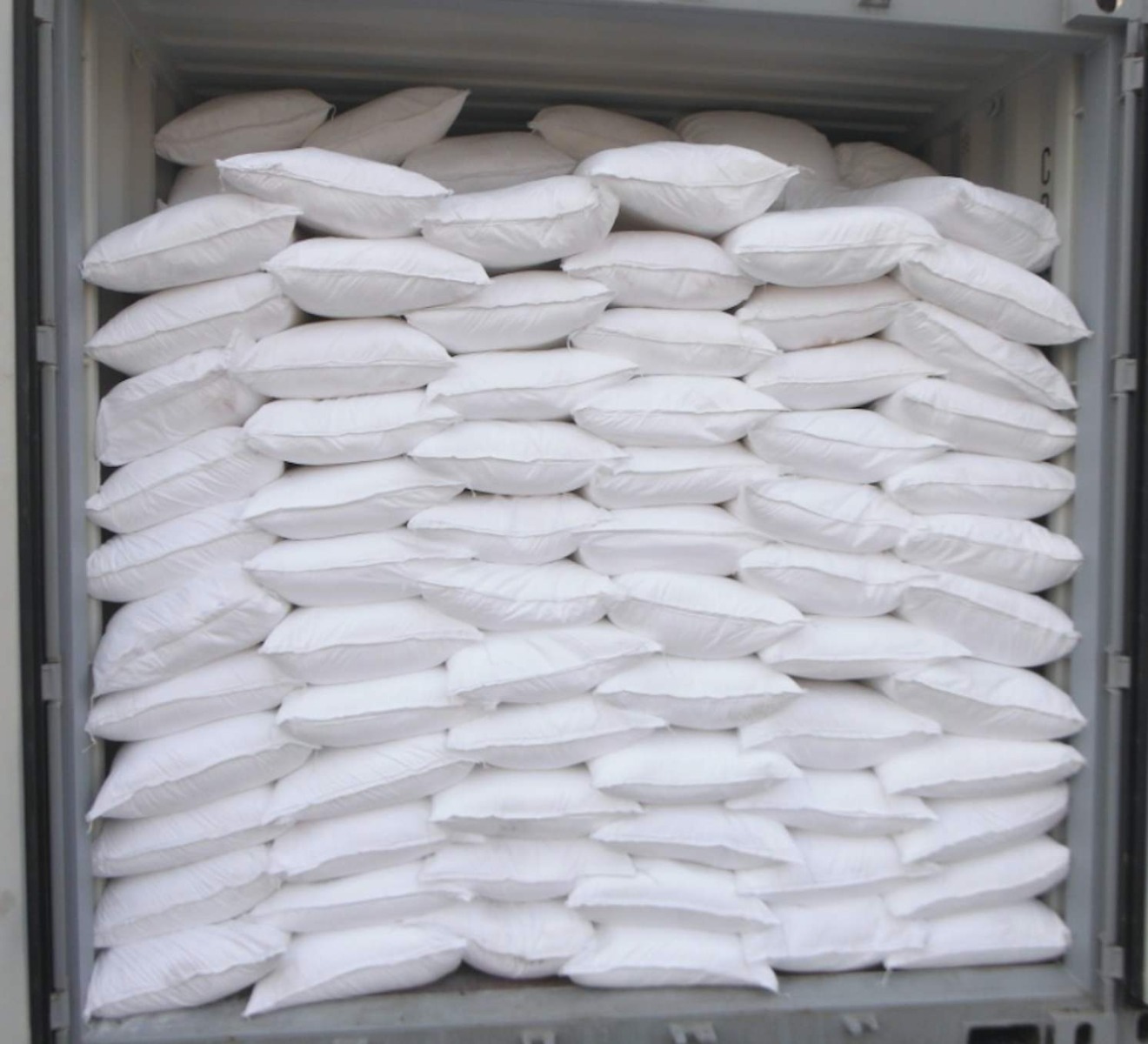
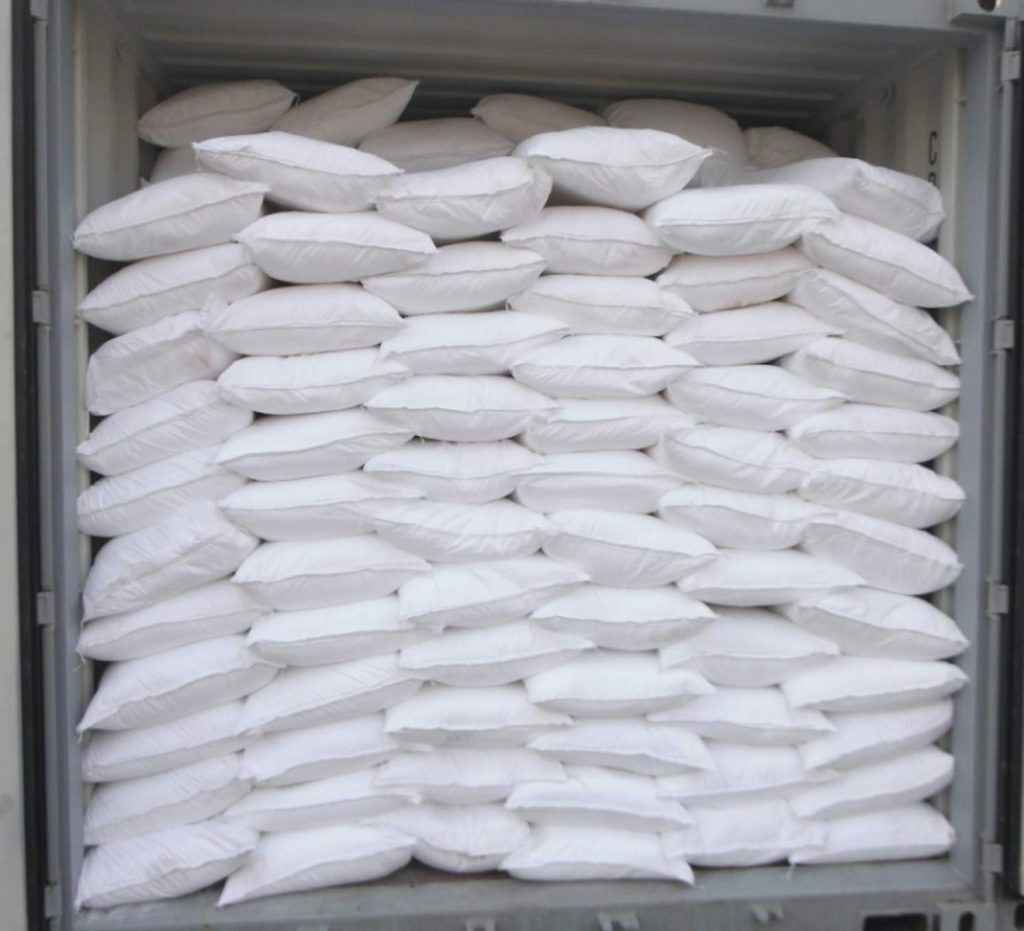
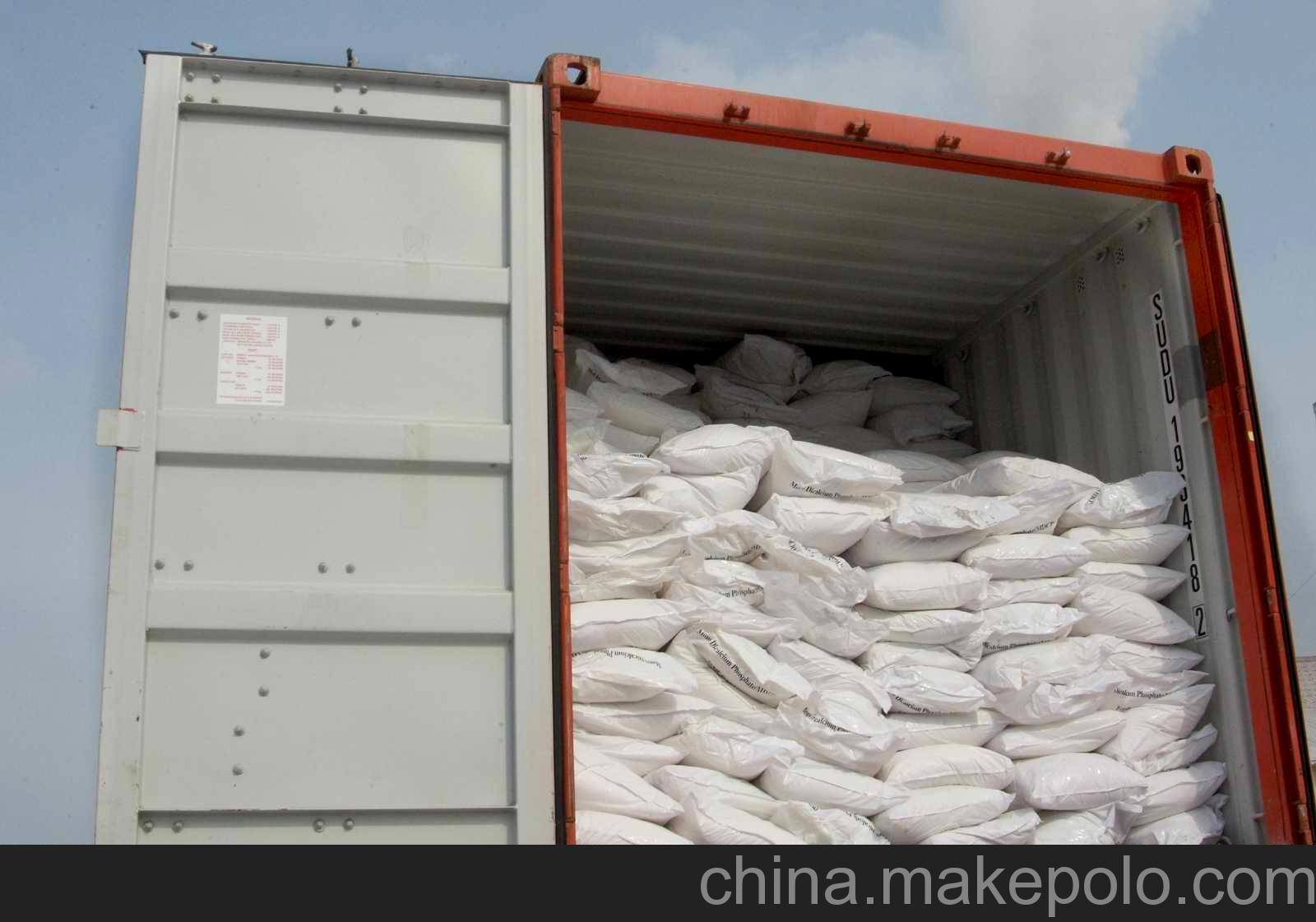
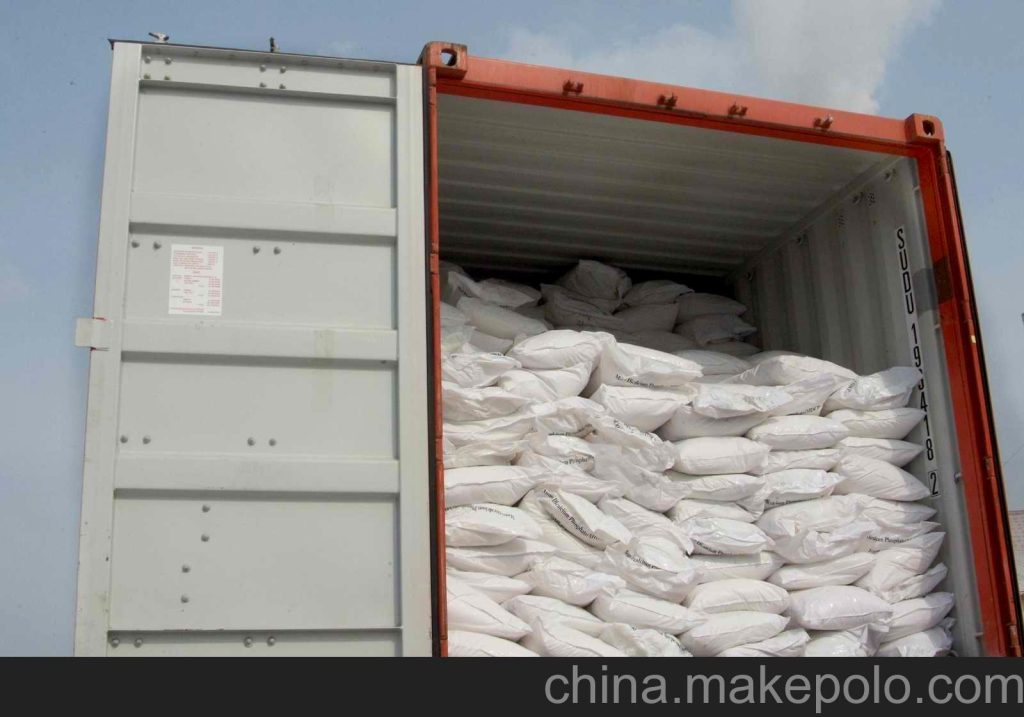
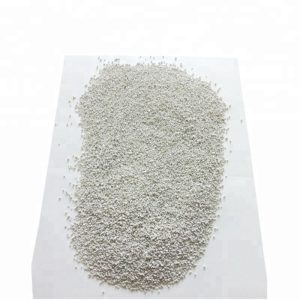
    Mono-Dicalcium Phosphate 21% supplied by Anflo Inter Chemical Products Trading.

    Mono-Dicalcium Phosphate 21% buying guide: Key Facts

    ProductMono-Dicalcium Phosphate 21%
    CAS number7758-23-8
    FormulaCaH4O8P2
    AppearanceWhite to off-white granules or powder
    Packaging25kg bag 50kg bag 100kg bag
    Transport classNot classified for transport; confirm on the SDS
    List priceUSD 425.00 per MT (volume orders quoted individually)
    CategorySpecial Use Chemicals

    What Mono-Dicalcium Phosphate 21% Is

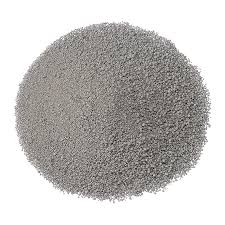
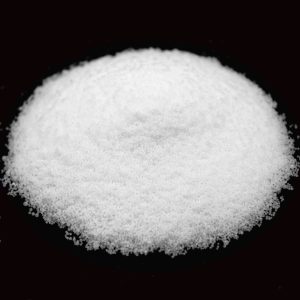
    Mono-dicalcium phosphate (MDCP) is a feed phosphate that contains a mix of monocalcium phosphate and dicalcium phosphate. The “21%” refers to its total phosphorus (P) content. It is supplied as white to off-white granules or powder and is used to supply phosphorus and calcium, two minerals animals need for bone formation, growth, fertility and energy metabolism.

    Typical applications include:

    • compound feeds for poultry, pigs and ruminants;
    • aquaculture feeds;
    • mineral premixes, where it also works as a carrier.

    Phosphorus is often one of the more expensive nutrients in a feed formula, so choosing the right phosphate source has a direct effect on ration cost. Our guide to animal health chemicals for feed and farm operations covers the wider procurement picture.

    MDCP vs MCP and DCP: Which Feed Phosphate to Buy

    Feed phosphates are usually compared by phosphorus content and how much of that phosphorus the animal can use. In general, the more monocalcium phosphate a product contains, the higher its water solubility and digestibility tend to be.

    ProductNominal phosphorusTypical position
    Monocalcium Phosphate 22% (MCP)22% PHighest P and usually highest digestibility
    Mono-Dicalcium Phosphate 21% (MDCP)21% PBalance of solubility, calcium and cost
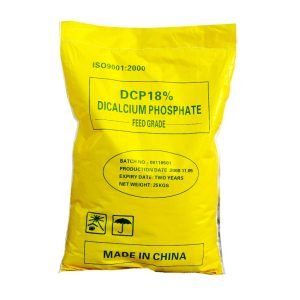
    Dicalcium Phosphate 18% (DCP)18% PMore calcium, lower P per ton

    MDCP is often chosen when a nutritionist wants good phosphorus availability without paying for full MCP. The right choice depends on species, formula and local prices, so ask your nutritionist to compare the options on cost per kilogram of available phosphorus. You can also see our monocalcium phosphate listing.

    Special Use Chemicals supplied in bulk by Anflo
    Special Use Chemicals range from Anflo Inter Chemical Products Trading.

    Specifications to Check Before You Buy Mono-Dicalcium Phosphate 21% for Animal Feed

    Before you buy Mono-Dicalcium Phosphate 21% for animal feed, ask the supplier for a specification and a lot COA showing:

    ParameterWhat buyers usually requestWhy it matters
    Total phosphorus (P)21% minimumThe main nutrient you are paying for
    Calcium (Ca)Stated range, often mid-teens %Needed to balance the Ca:P ratio
    Fluorine (F)Low, stated as a maximumExcess fluorine is harmful; feed rules set limits
    Heavy metals (As, Pb, Cd, Hg)Within feed regulationsLegal compliance and animal safety
    Moisture and particle sizeStated limitsAffects flow, mixing and caking

    These are typical buyer requests, not guarantees. Always confirm the values for your lot on the COA. In the European Union, limits for undesirable substances in feed, including fluorine and heavy metals in phosphates, are set by Directive 2002/32/EC; other countries have their own rules, so check the requirements of your market.

    Mono-Dicalcium Phosphate 21% Price: What Drives It

    Our current Mono-Dicalcium Phosphate 21% price is shown in the key facts table above. When you compare offers, these factors explain most of the gap:

    1. Phosphate rock and phosphoric acid costs. These are the main raw materials, so global phosphate markets move feed phosphate prices.
    2. Guaranteed phosphorus. Compare on cost per kilogram of P, not only price per ton.
    3. Form. Granular and powder grades can be priced differently, and granules usually flow and mix with less dust.
    4. Packaging. We supply 25 kg, 50 kg and 100 kg bags; smaller bags cost more per ton but suit manual handling.
    5. Incoterm and volume. Full containers and regular orders are priced better than part loads.
    Buyer tip: ask every supplier to quote on the same Incoterm and the same bag size, then divide the price by the guaranteed P content. That gives you a fair, like-for-like comparison.

    Mono-Dicalcium Phosphate 21% Import: Working with a Bulk Supplier

    MDCP is generally not classified as dangerous goods for transport, which keeps shipping simple, but always confirm this on the safety data sheet. The product is hygroscopic, so for a smooth Mono-Dicalcium Phosphate 21% import:

    • keep bags sealed, on pallets and under cover;
    • protect them from humidity during transit and in the warehouse;
    • use stock first-in, first-out to avoid caking.

    A reliable Mono-Dicalcium Phosphate 21% bulk supplier should provide a COA per lot, the SDS, packing list, commercial invoice, bill of lading and, where your authorities require them, a certificate of origin and any feed registration documents. Our quality control and logistics and shipping pages explain how we handle documents and containers. For product background, the PubChem record for calcium dihydrogen phosphate lists physical data.

    Send your quantity, bag size and destination port through the quote form, or browse more products in our special use chemicals range.

    Ready to buy Mono-Dicalcium Phosphate 21%?
    From USD 425 / MT
    Send grade, quantity and destination port for a written quotation.

    Related Products Buyers Order With Mono-Dicalcium Phosphate 21%
    Frequently asked questions

    What does 21% mean in Mono-Dicalcium Phosphate 21%?

    It is the minimum total phosphorus (P) content of the product. Calcium is supplied as well and is stated separately on the specification.

    Is MDCP better than DCP for feed?

    MDCP usually has more phosphorus per ton and a higher share of water-soluble phosphate than DCP 18%. Which is better depends on your formula and prices, so compare cost per kilogram of available phosphorus.

    What packaging is available?

    We currently offer 25 kg, 50 kg and 100 kg bags. Container loads and palletising are confirmed in your quotation.

    Which documents come with each shipment?

    A certificate of analysis per lot, the safety data sheet, packing list, commercial invoice and bill of lading, plus a certificate of origin when your country requires it.

    Need a bulk quotation for Mono-Dicalcium Phosphate 21%? Send your requirements to Anflo or email sales@anflointerchem.shop.
  • Liquid Caustic Soda Lye 32% / Sodium Hydroxide Lye 32% Bulk Import: Specs, Drums and Cost per Ton

    Liquid Caustic Soda Lye 32% / Sodium Hydroxide Lye 32% Bulk Import: Specs, Drums and Cost per Ton

    INDUSTRIAL CHEMICALS • IMPORT GUIDE

    Planning a Liquid Caustic Soda Lye 32% / Sodium Hydroxide Lye 32% bulk import? Liquid caustic soda is one of the most widely used industrial bases, but buying it well means looking past the headline price to concentration, drum size, corrosive-goods shipping and the real cost of the sodium hydroxide you receive.

    Liquid Caustic Soda Lye 32% / Sodium Hydroxide Lye 32% bulk import
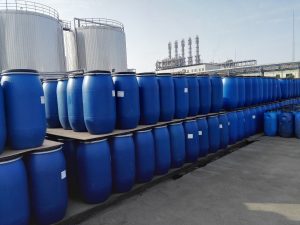
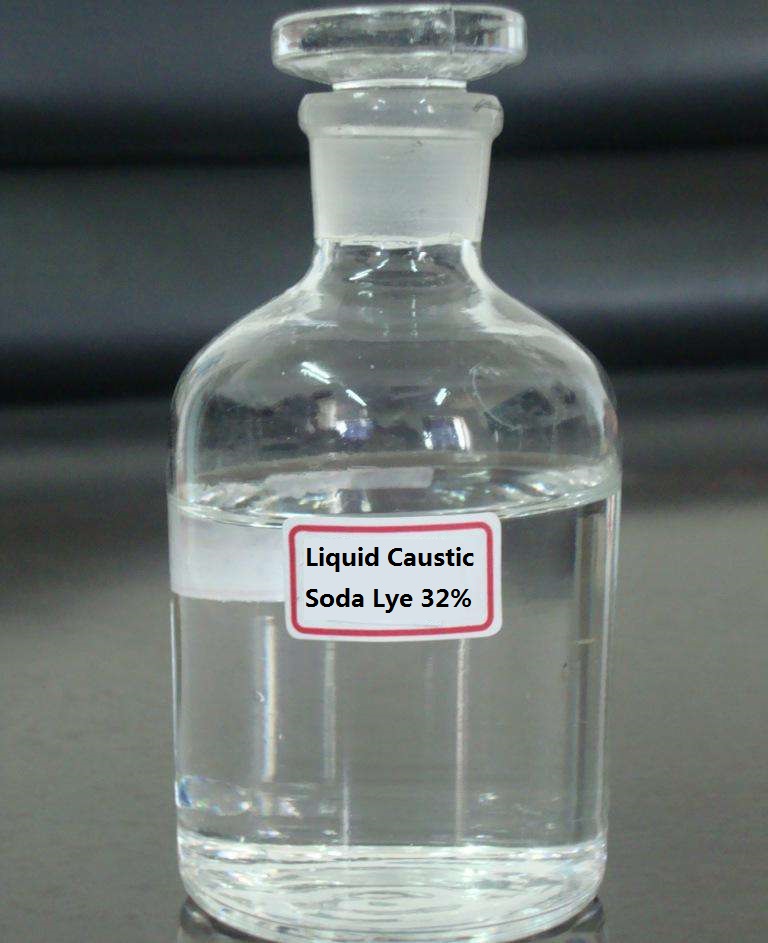
    Liquid Caustic Soda Lye 32% / Sodium Hydroxide Lye 32% supplied by Anflo Inter Chemical Products Trading.

    Liquid Caustic Soda Lye 32% / Sodium Hydroxide Lye 32% bulk import: Key Facts

    ProductLiquid Caustic Soda Lye 32% / Sodium Hydroxide Lye 32%
    CAS number1310-73-2
    FormulaHNaO
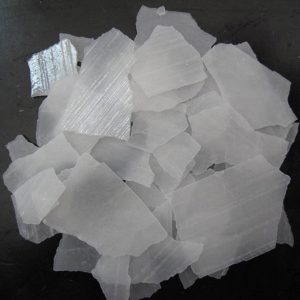
    AppearanceWhite flakes, pearls or clear liquid
    Packaging250kg plastic drum 500kg plastic drum
    Transport classUN 1823 (solid) or UN 1824 (solution), Class 8 (corrosive)
    List priceUSD 295.00 per MT (volume orders quoted individually)
    CategoryIndustrial Chemicals

    What Liquid Caustic Soda Lye 32% Is and Why Buyers Choose It

    Liquid caustic soda lye is a water solution of sodium hydroxide (NaOH, CAS 1310-73-2). At 32% it is a clear, colourless, strongly alkaline liquid that can be pumped and dosed directly, with no dissolving step and none of the heat released when solid caustic is mixed with water.

    Buyers choose the 32% strength for several practical reasons:

    • it is ready to use for pH adjustment and neutralisation in water and effluent treatment;
    • it is a common strength for cleaning-in-place (CIP) in dairy and food plants;
    • it regenerates anion exchange resins in demineralisation units;
    • it serves soap, detergent, textile, pulp and paper and oil refining processes;
    • it stays liquid in cooler conditions where stronger 50% lye can crystallise.

    If your plant already dilutes stronger caustic on site, compare it with Liquid Caustic Soda Lye 50% before you decide.

    Liquid Caustic Soda Lye 32% / Sodium Hydroxide Lye 32% Specifications to Confirm

    Ask every supplier for a specification sheet and a certificate of analysis (COA) per lot covering at least:

    ParameterWhat buyers usually requestWhy it matters
    NaOH content32% by weight, with a stated toleranceSets how much active caustic you pay for
    Sodium carbonate (Na2CO3)Low, stated as a maximumForms when lye absorbs CO2; reduces strength
    Sodium chloride (NaCl)Low, stated as a maximumChloride matters in boilers, stainless steel and food use
    Iron (Fe)Low ppm levelIron can discolour products
    Density at 20 °CAbout 1.35 g/cm³Converts tank litres into kilograms of product

    Grades made by the membrane cell process usually have lower chloride than older processes. Values above are typical, not guarantees; always check them against the COA for your lot. The PubChem sodium hydroxide record is a useful reference for physical and hazard data.

    Industrial Chemicals supplied in bulk by Anflo
    Industrial Chemicals range from Anflo Inter Chemical Products Trading.

    Liquid Caustic Soda Lye 32% / Sodium Hydroxide Lye 32% Price: Calculating the Real Cost per Ton

    Our current Liquid Caustic Soda Lye 32% / Sodium Hydroxide Lye 32% price is shown in the key facts table above. Because the product is 68% water, the most useful comparison is the cost per ton of 100% NaOH. Divide the price per metric ton of solution by 0.32: at our list price of USD 295 per ton of lye, that works out to roughly USD 922 per ton of sodium hydroxide on a dry basis.

    Use the same calculation for every offer you receive, including caustic soda flakes 98% or caustic soda pearls 99%. Then add:

    1. Freight. With lye you also ship the water, so sea freight per ton of NaOH is higher than for flakes or pearls.
    2. Packaging. Drums add cost per ton compared with bulk tanks, but most importing sites need them.
    3. Handling on site. Solid caustic needs dissolving equipment, labour and safety controls; liquid lye avoids that.
    4. Import duty and local charges at your destination.
    Rule of thumb: liquid lye often makes sense for sites close to the supplier or for users who value ready-to-dose convenience. For long sea routes, compare it carefully against solid caustic on a delivered cost per ton of NaOH.

    How to Buy Liquid Caustic Soda Lye 32% / Sodium Hydroxide Lye 32% in Drums

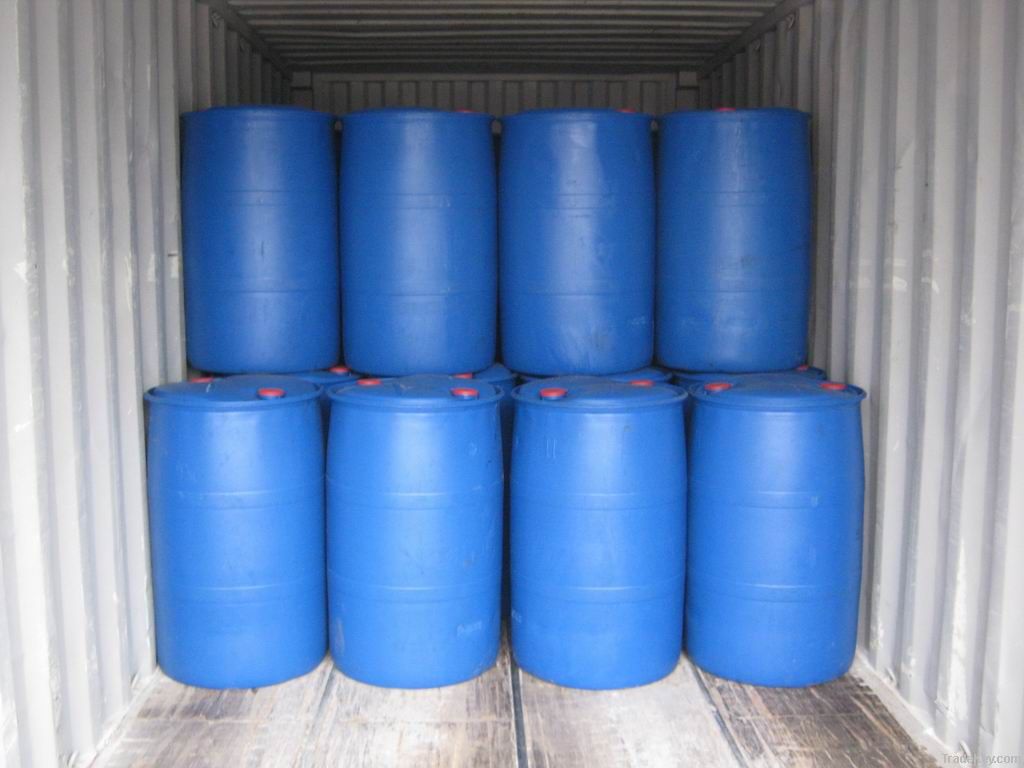
    We supply the 32% lye in 250 kg and 500 kg plastic drums. At a density of about 1.35 g/cm³, a 250 kg drum holds roughly 185 litres. When you buy Liquid Caustic Soda Lye 32% / Sodium Hydroxide Lye 32% in drums, plan for:

    • chemical-resistant drum pumps or a transfer system rated for strong alkalis;
    • a bunded, covered storage area away from acids, aluminium, zinc and other incompatible metals;
    • keeping drums sealed, because caustic absorbs carbon dioxide from air and slowly loses strength;
    • full protective equipment, including face shield, gloves and eye-wash stations near the point of use.

    Sodium hydroxide solution ships as dangerous goods: UN 1824, Class 8 (corrosive). Your SDS, labels and dangerous-goods declaration must match. Our logistics and shipping team prepares these with the shipping line.

    Choosing a Liquid Caustic Soda Lye 32% / Sodium Hydroxide Lye 32% Wholesale Supplier for Bulk Import

    A dependable Liquid Caustic Soda Lye 32% / Sodium Hydroxide Lye 32% wholesale supplier should give you, in writing, the concentration and its tolerance, impurity limits, packaging type, container load, Incoterm and the documents that travel with each shipment: COA, SDS, packing list, commercial invoice, bill of lading and certificate of origin where needed. Our quality control page explains how we document each lot.

    Before you request offers, our caustic soda bulk buying checklist and the guide to comparing international caustic soda offers help you prepare a complete brief. Then send your quantity, destination port and preferred packaging through the quote form and we reply with a written offer. You can browse related products in our industrial chemicals range.

    Ready to buy Liquid Caustic Soda Lye 32% / Sodium Hydroxide Lye 32%?
    From USD 295 / MT
    Send grade, quantity and destination port for a written quotation.

    Related Products Buyers Order With Liquid Caustic Soda Lye 32% / Sodium Hydroxide Lye 32%

    Frequently asked questions

    What is the difference between 32% and 50% caustic soda lye?

    Both are sodium hydroxide solutions. 50% lye carries more NaOH per ton shipped but can crystallise in cool conditions, while 32% stays liquid at lower temperatures and is often closer to the strength used on site.

    How do I compare lye prices with caustic soda flakes?

    Convert every offer to cost per ton of 100% NaOH. For 32% lye, divide the price per ton of solution by 0.32, then add freight and handling.

    Is Liquid Caustic Soda Lye 32% dangerous goods?

    Yes. Sodium hydroxide solution ships as UN 1824, Class 8 corrosive, with the safety data sheet and correct labelling.

    What packaging is available?

    We currently offer 250 kg and 500 kg plastic drums. Confirm the container load and palletising in your quotation.

    Need a bulk quotation for Liquid Caustic Soda Lye 32% / Sodium Hydroxide Lye 32%? Send your requirements to Anflo or email sales@anflointerchem.shop.
  • Sulphonic Acid 96% (Labsa 96%) for Detergent Manufacturers: Specs, Packaging and Bulk Buying

    Sulphonic Acid 96% (Labsa 96%) for Detergent Manufacturers: Specs, Packaging and Bulk Buying

    DETERGENTS • SURFACTANT BUYING GUIDE

    Choosing Sulphonic Acid 96% (Labsa 96%) for detergent manufacturers is a decision about cleaning power, colour and cost per ton of finished product. This guide covers the specifications that matter, how LABSA is neutralised, which packaging gives the best container payload, and how to compare price offers.

    Sulphonic Acid 96% (Labsa 96%) for detergent manufacturers
    Sulphonic Acid 96% (Labsa 96%) supplied by Anflo Inter Chemical Products Trading.

    Sulphonic Acid 96% (Labsa 96%) for detergent manufacturers: Key Facts

    ProductSulphonic Acid 96% (Labsa 96%)
    CAS number85536-14-7
    FormulaC18H30O3S
    AppearanceDark brown viscous liquid
    Packaging1050Kg IBC /21 Tons/ 20ft Container 210kg Plastic Drums / 16.8 tons/20ft container 225kg Plastic Drums / 18 tons/20ft container  
    Transport classUN 2586, Class 8 (corrosive)
    List priceUSD 1,485.00 per MT (volume orders quoted individually)
    CategoryIndustrial Chemicals

    Why LABSA 96% Is the Core Detergent Surfactant

    Linear alkylbenzene sulfonic acid (LABSA) is the acid form of LAS, the most widely used anionic surfactant in the world. Once neutralised it delivers the detergency in:

    • laundry powders and liquid detergents;
    • dishwashing liquids and household cleaners;
    • industrial and institutional cleaners;
    • agrochemical emulsifiers.

    Its linear chain makes it readily biodegradable, and it pairs well with SLES 70%, which adds foam and mildness in liquid formulas. The American Cleaning Institute publishes useful background on surfactant use and safety.

    Sulphonic Acid 96% (Labsa 96%) Specifications

    Typical Sulphonic Acid 96% (Labsa 96%) specifications that detergent plants put in their purchase orders:

    ParameterTypical value
    Active matter96% minimum
    Free sulfuric acidAbout 1.5% maximum
    Free oil (unsulfonated)About 2.0% maximum
    Colour (5% solution)Stated maximum on the COA
    AppearanceDark brown viscous liquid

    Higher free oil lowers active content and can leave odour; high colour shows in pale liquid detergents. Confirm every value on the lot COA. Identity data is on PubChem.

    Industrial Chemicals supplied in bulk by Anflo
    Industrial Chemicals range from Anflo Inter Chemical Products Trading.

    Sulphonic Acid 96% (Labsa 96%) Neutralisation in Practice

    LABSA is neutralised to the sodium salt (LAS) with caustic soda or soda ash. Stoichiometry gives a useful planning figure: LABSA has a molecular weight of roughly 326 g/mol, so each kilogram of LABSA 96% needs about 0.12 kg of 100% sodium hydroxide, plus a little more for the free sulfuric acid, around 0.13 kg in total. Always confirm the exact amount by titration on your batch.

    • The reaction is exothermic: add LABSA to the alkali slowly with mixing and cooling.
    • Target a neutral to mildly alkaline paste or slurry as your formula requires.
    • Powder plants often use soda ash; liquid plants usually use caustic soda flakes dissolved in water.

    For more formulation background see our guide to chemicals for soap and detergent manufacturing.

    Packaging: Buy Sulphonic Acid 96% (Labsa 96%) in IBC or Drums

    PackingLoad per 20 ft container
    1,050 kg IBCAbout 21 tons
    210 kg plastic drumsAbout 16.8 tons
    225 kg plastic drumsAbout 18 tons

    Buyers who buy Sulphonic Acid 96% (Labsa 96%) in IBC get the highest payload and the lowest freight per ton; drums suit smaller plants without pumping equipment. LABSA is UN 2586, Class 8 (corrosive), so it ships under dangerous-goods rules and must be stored in acid-resistant tanks or containers. It thickens in cold weather, so plan gentle warming before pumping in winter, and use stock in date order because colour can increase during long storage.

    Sulphonic Acid 96% (Labsa 96%) Price per Ton: What to Compare

    The Sulphonic Acid 96% (Labsa 96%) price per ton follows its feedstocks, linear alkylbenzene (made from benzene and paraffins) and sulfur trioxide, together with packaging and freight. To compare offers fairly:

    1. Check active matter and free oil, since a lower-active product costs more per kilogram of surfactant.
    2. Compare the same packaging, because container payload changes freight per ton.
    3. Use the same delivery basis (FOB, CFR or CIF).
    4. Agree COA and SDS with every lot.

    Our list price is in the key facts table. Send your monthly volume through the quote form and browse more industrial chemicals for your plant.

    Ready to buy Sulphonic Acid 96% (Labsa 96%)?
    From USD 1,485 / MT
    Send grade, quantity and destination port for a written quotation.

    Related Products Buyers Order With Sulphonic Acid 96% (Labsa 96%)

    Frequently asked questions

    What is the difference between LABSA and SLES?

    LABSA is an acid that is neutralised to LAS, the main cleaning surfactant in powders and liquids. SLES is already a neutral surfactant that adds foam and mildness. Many formulas use both.

    How much caustic soda is needed to neutralise LABSA 96%?

    About 0.13 kg of 100% sodium hydroxide per kilogram of LABSA 96%, based on stoichiometry including free acid. Confirm by titration on your batch.

    Is LABSA dangerous goods?

    Yes. It ships as UN 2586, Class 8 corrosive, and must be stored in acid-resistant containers.

    Which packaging is most economical?

    1,050 kg IBCs give about 21 tons per 20 ft container, the highest payload and lowest freight per ton. Drums suit plants without pumping equipment.

    Need a bulk quotation for Sulphonic Acid 96% (Labsa 96%)? Send your requirements to Anflo or email sales@anflointerchem.shop.
  • Choosing Chemicals for Renewable-Energy Applications: A Buyer Framework

    Choosing Chemicals for Renewable-Energy Applications: A Buyer Framework

    B2B CHEMICAL SOURCING • INDUSTRIAL CHEMICALS

    For Renewable-Energy Applications, chemical selection depends on the process stage, technology, material specification and contamination limits. Procurement teams should define the exact application before comparing supplier offers. This guide is written for procurement teams, manufacturers, distributors and other international B2B buyers comparing bulk chemical supply options.

    What buyers should understand about Choosing Chemicals for Renewable-Energy Applications: A Buyer Framework

    Buying a chemical for industrial use is rarely just a price exercise. The material has to match the process, the required specification has to be documented, and the commercial offer has to make sense for the destination. For renewable energy chemical selection, start by defining the exact product name, grade or concentration, physical form, expected quantity and intended application.

    Where a chemical has several grades or forms, do not assume that a lower unit price represents the better offer. Differences in purity, active content, moisture, particle size, packaging, shelf life, freight basis and delivery schedule can materially change the delivered cost and production result.

    Key specification points

    • Identity: confirm the chemical name, CAS number where relevant, and the exact grade requested.
    • Quality: define purity, concentration, active content and any critical limits required by the application.
    • Physical form: confirm powder, flakes, pearls, crystals, liquid, solution or other required form.
    • Packaging: specify bag, drum, jumbo bag, IBC or other packaging together with net weight per unit.
    • Documentation: request the current specification sheet, SDS and COA or equivalent quality documentation applicable to the transaction.
    • Destination: give the delivery country and, when needed, port or city so the quotation can be compared on a meaningful freight basis.

    Application and process fit

    The right material is the one that fits the buyer’s process. In this subject area, relevant considerations can include renewable energy, manufacturing chemicals, process specification, purity. Procurement teams should therefore share enough process information for a supplier to quote an equivalent product instead of making assumptions from a product name alone.

    For regulated, hazardous or application-sensitive chemicals, the buyer should also confirm local import rules, storage requirements, transport restrictions and any sector-specific approvals before placing an order. Safety documentation should be reviewed by the responsible technical or EHS team.

    How to compare bulk chemical offers

    1. Write one consistent specification and send it to each supplier.
    2. Compare like-for-like grade, concentration, purity and physical form.
    3. Check the packing configuration and total net quantity.
    4. Compare the same delivery basis, destination and lead-time assumptions.
    5. Verify documentation before approving the commercial offer.
    6. Confirm whether the quoted material is available for repeat supply, not only for one shipment.
    Procurement tip: Put the technical specification, quantity, packaging and destination in the first enquiry. A complete buying brief produces cleaner quotations and makes supplier comparison much easier.

    Bulk sourcing with Anflo

    Anflo Inter Chemical Products Trading supports international B2B chemical sourcing from the Philippines for buyers looking for dependable bulk supply across multiple chemical categories. We can help structure an enquiry around product specification, quantity, packaging, destination and documentation requirements rather than relying on a generic product name.

    Related Anflo products: Browse chemicals. You can also explore the Industrial Chemicals range or request a quotation for your required chemical.

    Technical references

    For independent chemical identification, safety and regulatory research, buyers can consult PubChem for authoritative background information. Always confirm destination-country requirements with the responsible compliance team.

    Buy the Chemicals in This Guide: Choosing Chemicals for Renewable-Energy Applications: A Buyer Framework

    Choosing Chemicals for Renewable-Energy Applications: A Buyer Framework

    If this guide on Choosing Chemicals for Renewable-Energy Applications: A Buyer Framework matches a requirement you are pricing, Anflo Inter Chemical Products Trading can quote the products below in bulk for delivery worldwide. Use the checks in Choosing Chemicals for Renewable-Energy Applications: A Buyer Framework when you compare supplier offers, and share them with your quality team before you confirm an order.

    Send the grade, quantity and destination port through our quote form or browse the full chemical catalogue. Mention Choosing Chemicals for Renewable-Energy Applications: A Buyer Framework in your enquiry and we will match the specification points from this guide.

    Frequently asked questions

    What information should I include when requesting a bulk chemical quotation?

    Include the exact chemical name, grade or concentration, quantity, packaging preference, application, destination and any required documentation such as SDS or COA.

    Should I compare chemical suppliers on price alone?

    No. A useful comparison includes technical equivalence, quality documentation, packaging, freight or delivery basis, lead time and supply continuity as well as price.

    Can Anflo support international B2B chemical enquiries?

    Yes. Anflo Inter Chemical Products Trading handles international B2B enquiries and can review the required specification, quantity, destination and documentation needs before quotation.

    Need a bulk chemical quotation? Send your requirements to Anflo or contact sales@anflointerchem.shop.
  • Renewable-Energy Manufacturing: Where Chemicals Enter the Supply Chain

    Renewable-Energy Manufacturing: Where Chemicals Enter the Supply Chain

    B2B CHEMICAL SOURCING • INDUSTRIAL CHEMICALS

    Chemical requirements in renewable-energy manufacturing vary by process stage, technology and contamination limits. Procurement teams should specify the exact material and application rather than buy from a broad industry label. This guide is written for procurement teams, manufacturers, distributors and other international B2B buyers comparing bulk chemical supply options.

    What buyers should understand about Renewable-Energy Manufacturing: Where Chemicals Enter the Supply Chain

    Buying a chemical for industrial use is rarely just a price exercise. The material has to match the process, the required specification has to be documented, and the commercial offer has to make sense for the destination. For renewable energy chemicals, start by defining the exact product name, grade or concentration, physical form, expected quantity and intended application.

    Where a chemical has several grades or forms, do not assume that a lower unit price represents the better offer. Differences in purity, active content, moisture, particle size, packaging, shelf life, freight basis and delivery schedule can materially change the delivered cost and production result.

    Key specification points

    • Identity: confirm the chemical name, CAS number where relevant, and the exact grade requested.
    • Quality: define purity, concentration, active content and any critical limits required by the application.
    • Physical form: confirm powder, flakes, pearls, crystals, liquid, solution or other required form.
    • Packaging: specify bag, drum, jumbo bag, IBC or other packaging together with net weight per unit.
    • Documentation: request the current specification sheet, SDS and COA or equivalent quality documentation applicable to the transaction.
    • Destination: give the delivery country and, when needed, port or city so the quotation can be compared on a meaningful freight basis.

    Application and process fit

    The right material is the one that fits the buyer’s process. In this subject area, relevant considerations can include renewable energy, manufacturing chemicals, process specification, purity. Procurement teams should therefore share enough process information for a supplier to quote an equivalent product instead of making assumptions from a product name alone.

    For regulated, hazardous or application-sensitive chemicals, the buyer should also confirm local import rules, storage requirements, transport restrictions and any sector-specific approvals before placing an order. Safety documentation should be reviewed by the responsible technical or EHS team.

    How to compare bulk chemical offers

    1. Write one consistent specification and send it to each supplier.
    2. Compare like-for-like grade, concentration, purity and physical form.
    3. Check the packing configuration and total net quantity.
    4. Compare the same delivery basis, destination and lead-time assumptions.
    5. Verify documentation before approving the commercial offer.
    6. Confirm whether the quoted material is available for repeat supply, not only for one shipment.
    Procurement tip: Put the technical specification, quantity, packaging and destination in the first enquiry. A complete buying brief produces cleaner quotations and makes supplier comparison much easier.

    Bulk sourcing with Anflo

    Anflo Inter Chemical Products Trading supports international B2B chemical sourcing from the Philippines for buyers looking for dependable bulk supply across multiple chemical categories. We can help structure an enquiry around product specification, quantity, packaging, destination and documentation requirements rather than relying on a generic product name.

    Related Anflo products: Browse chemicals. You can also explore the Industrial Chemicals range or request a quotation for your required chemical.

    Technical references

    For independent chemical identification, safety and regulatory research, buyers can consult PubChem for authoritative background information. Always confirm destination-country requirements with the responsible compliance team.

    Buy the Chemicals in This Guide: Renewable-Energy Manufacturing: Where Chemicals Enter the Supply Chain

    Renewable-Energy Manufacturing: Where Chemicals Enter the Supply Chain

    If this guide on Renewable-Energy Manufacturing: Where Chemicals Enter the Supply Chain matches a requirement you are pricing, Anflo Inter Chemical Products Trading can quote the products below in bulk for delivery worldwide. Use the checks in Renewable-Energy Manufacturing: Where Chemicals Enter the Supply Chain when you compare supplier offers, and share them with your quality team before you confirm an order.

    Send the grade, quantity and destination port through our quote form or browse the full chemical catalogue. Mention Renewable-Energy Manufacturing: Where Chemicals Enter the Supply Chain in your enquiry and we will match the specification points from this guide.

    Frequently asked questions

    What information should I include when requesting a bulk chemical quotation?

    Include the exact chemical name, grade or concentration, quantity, packaging preference, application, destination and any required documentation such as SDS or COA.

    Should I compare chemical suppliers on price alone?

    No. A useful comparison includes technical equivalence, quality documentation, packaging, freight or delivery basis, lead time and supply continuity as well as price.

    Can Anflo support international B2B chemical enquiries?

    Yes. Anflo Inter Chemical Products Trading handles international B2B enquiries and can review the required specification, quantity, destination and documentation needs before quotation.

    Need a bulk chemical quotation? Send your requirements to Anflo or contact sales@anflointerchem.shop.
  • Industrial Chemicals for Sale: What B2B Buyers Should Verify

    Industrial Chemicals for Sale: What B2B Buyers Should Verify

    B2B CHEMICAL SOURCING • GENERAL CHEMICAL BUYING

    This guide to Industrial Chemicals for Sale: What B2B Buyers Should Verify explains the practical specification, application, documentation and procurement checks that international B2B buyers should review before requesting quotations. Share the required product or grade, quantity, packaging and destination so supplier offers can be compared on an equivalent basis.

    What buyers should understand about Industrial Chemicals for Sale: What B2B Buyers Should Verify

    Buying a chemical for industrial use is rarely just a price exercise. The material has to match the process, the required specification has to be documented, and the commercial offer has to make sense for the destination. For industrial chemicals for sale, start by defining the exact product name, grade or concentration, physical form, expected quantity and intended application.

    Where a chemical has several grades or forms, do not assume that a lower unit price represents the better offer. Differences in purity, active content, moisture, particle size, packaging, shelf life, freight basis and delivery schedule can materially change the delivered cost and production result.

    Key specification points

    • Identity: confirm the chemical name, CAS number where relevant, and the exact grade requested.
    • Quality: define purity, concentration, active content and any critical limits required by the application.
    • Physical form: confirm powder, flakes, pearls, crystals, liquid, solution or other required form.
    • Packaging: specify bag, drum, jumbo bag, IBC or other packaging together with net weight per unit.
    • Documentation: request the current specification sheet, SDS and COA or equivalent quality documentation applicable to the transaction.
    • Destination: give the delivery country and, when needed, port or city so the quotation can be compared on a meaningful freight basis.

    Application and process fit

    The right material is the one that fits the buyer’s process. In this subject area, relevant considerations can include chemical specification, grade, packaging, SDS, COA, logistics. Procurement teams should therefore share enough process information for a supplier to quote an equivalent product instead of making assumptions from a product name alone.

    For regulated, hazardous or application-sensitive chemicals, the buyer should also confirm local import rules, storage requirements, transport restrictions and any sector-specific approvals before placing an order. Safety documentation should be reviewed by the responsible technical or EHS team.

    How to compare bulk chemical offers

    1. Write one consistent specification and send it to each supplier.
    2. Compare like-for-like grade, concentration, purity and physical form.
    3. Check the packing configuration and total net quantity.
    4. Compare the same delivery basis, destination and lead-time assumptions.
    5. Verify documentation before approving the commercial offer.
    6. Confirm whether the quoted material is available for repeat supply, not only for one shipment.
    Procurement tip: Put the technical specification, quantity, packaging and destination in the first enquiry. A complete buying brief produces cleaner quotations and makes supplier comparison much easier.

    Bulk sourcing with Anflo

    Anflo Inter Chemical Products Trading supports international B2B chemical sourcing from the Philippines for buyers looking for dependable bulk supply across multiple chemical categories. We can help structure an enquiry around product specification, quantity, packaging, destination and documentation requirements rather than relying on a generic product name.

    Related Anflo products: Poly Vinyl Alcohol (PVA) PVA 1799 · Titanium Oxide Rutile Pigment CR-350 (Chloride) – Plastics · Rutile Titanium Dioxide Sulfate R-248- Plastic Industry. You can also explore the General Chemical Buying range or request a quotation for your required chemical.

    Technical references

    For independent chemical identification, safety and regulatory research, buyers can consult PubChem for authoritative background information. Always confirm destination-country requirements with the responsible compliance team.

    Buy the Chemicals in This Guide: Industrial Chemicals for Sale: What B2B Buyers Should Verify

    Industrial Chemicals for Sale: What B2B Buyers Should Verify

    If this guide on Industrial Chemicals for Sale: What B2B Buyers Should Verify matches a requirement you are pricing, Anflo Inter Chemical Products Trading can quote the products below in bulk for delivery worldwide. Use the checks in Industrial Chemicals for Sale: What B2B Buyers Should Verify when you compare supplier offers, and share them with your quality team before you confirm an order.

    Send the grade, quantity and destination port through our quote form or browse the full chemical catalogue. Mention Industrial Chemicals for Sale: What B2B Buyers Should Verify in your enquiry and we will match the specification points from this guide.

    Frequently asked questions

    What information should I include when requesting a bulk chemical quotation?

    Include the exact chemical name, grade or concentration, quantity, packaging preference, application, destination and any required documentation such as SDS or COA.

    Should I compare chemical suppliers on price alone?

    No. A useful comparison includes technical equivalence, quality documentation, packaging, freight or delivery basis, lead time and supply continuity as well as price.

    Can Anflo support international B2B chemical enquiries?

    Yes. Anflo Inter Chemical Products Trading handles international B2B enquiries and can review the required specification, quantity, destination and documentation needs before quotation.

    Need a bulk chemical quotation? Send your requirements to Anflo or contact sales@anflointerchem.shop.

  • Sodium Metabisulfite (SMBS): Applications and Bulk Buying Considerations

    Sodium Metabisulfite (SMBS): Applications and Bulk Buying Considerations

    B2B CHEMICAL SOURCING • INDUSTRIAL CHEMICALS

    This guide to Sodium Metabisulfite (SMBS): Applications and Bulk Buying Considerations explains the practical specification, application, documentation and procurement checks that international B2B buyers should review before requesting quotations. Share the required product or grade, quantity, packaging and destination so supplier offers can be compared on an equivalent basis.

    What buyers should understand about Sodium Metabisulfite (SMBS): Applications and Bulk Buying Considerations

    Buying a chemical for industrial use is rarely just a price exercise. The material has to match the process, the required specification has to be documented, and the commercial offer has to make sense for the destination. For sodium metabisulfite bulk, start by defining the exact product name, grade or concentration, physical form, expected quantity and intended application.

    Where a chemical has several grades or forms, do not assume that a lower unit price represents the better offer. Differences in purity, active content, moisture, particle size, packaging, shelf life, freight basis and delivery schedule can materially change the delivered cost and production result.

    Key specification points

    • Identity: confirm the chemical name, CAS number where relevant, and the exact grade requested.
    • Quality: define purity, concentration, active content and any critical limits required by the application.
    • Physical form: confirm powder, flakes, pearls, crystals, liquid, solution or other required form.
    • Packaging: specify bag, drum, jumbo bag, IBC or other packaging together with net weight per unit.
    • Documentation: request the current specification sheet, SDS and COA or equivalent quality documentation applicable to the transaction.
    • Destination: give the delivery country and, when needed, port or city so the quotation can be compared on a meaningful freight basis.

    Application and process fit

    The right material is the one that fits the buyer’s process. In this subject area, relevant considerations can include chemical specification, grade, packaging, SDS, COA, logistics. Procurement teams should therefore share enough process information for a supplier to quote an equivalent product instead of making assumptions from a product name alone.

    For regulated, hazardous or application-sensitive chemicals, the buyer should also confirm local import rules, storage requirements, transport restrictions and any sector-specific approvals before placing an order. Safety documentation should be reviewed by the responsible technical or EHS team.

    How to compare bulk chemical offers

    1. Write one consistent specification and send it to each supplier.
    2. Compare like-for-like grade, concentration, purity and physical form.
    3. Check the packing configuration and total net quantity.
    4. Compare the same delivery basis, destination and lead-time assumptions.
    5. Verify documentation before approving the commercial offer.
    6. Confirm whether the quoted material is available for repeat supply, not only for one shipment.
    Procurement tip: Put the technical specification, quantity, packaging and destination in the first enquiry. A complete buying brief produces cleaner quotations and makes supplier comparison much easier.

    Bulk sourcing with Anflo

    Anflo Inter Chemical Products Trading supports international B2B chemical sourcing from the Philippines for buyers looking for dependable bulk supply across multiple chemical categories. We can help structure an enquiry around product specification, quantity, packaging, destination and documentation requirements rather than relying on a generic product name.

    Related Anflo products: Sodium Metabisulfite 97% (SMBS). You can also explore the Industrial Chemicals range or request a quotation for your required chemical.

    Technical references

    For independent chemical identification, safety and regulatory research, buyers can consult PubChem for authoritative background information. Always confirm destination-country requirements with the responsible compliance team.

    Buy the Chemicals in This Guide: Sodium Metabisulfite (SMBS): Applications and Bulk Buying Considerations

    Sodium Metabisulfite (SMBS): Applications and Bulk Buying Considerations

    If this guide on Sodium Metabisulfite (SMBS): Applications and Bulk Buying Considerations matches a requirement you are pricing, Anflo Inter Chemical Products Trading can quote the products below in bulk for delivery worldwide. Use the checks in Sodium Metabisulfite (SMBS): Applications and Bulk Buying Considerations when you compare supplier offers, and share them with your quality team before you confirm an order.

    Send the grade, quantity and destination port through our quote form or browse the full chemical catalogue. Mention Sodium Metabisulfite (SMBS): Applications and Bulk Buying Considerations in your enquiry and we will match the specification points from this guide.

    Frequently asked questions

    What information should I include when requesting a bulk chemical quotation?

    Include the exact chemical name, grade or concentration, quantity, packaging preference, application, destination and any required documentation such as SDS or COA.

    Should I compare chemical suppliers on price alone?

    No. A useful comparison includes technical equivalence, quality documentation, packaging, freight or delivery basis, lead time and supply continuity as well as price.

    Can Anflo support international B2B chemical enquiries?

    Yes. Anflo Inter Chemical Products Trading handles international B2B enquiries and can review the required specification, quantity, destination and documentation needs before quotation.

    Need a bulk chemical quotation? Send your requirements to Anflo or contact sales@anflointerchem.shop.

  • Phosphoric Acid Buying Guide: Grade, Use and Documentation

    Phosphoric Acid Buying Guide: Grade, Use and Documentation

    Phosphoric Acid Buying Guide: Grade Use and Documentation: a buying guide from Anflo Inter Chemical Products Trading for B2B chemical buyers.

    B2B CHEMICAL SOURCING • INDUSTRIAL CHEMICALS

    This guide to Phosphoric Acid Buying Guide: Grade, Use and Documentation explains the practical specification, application, documentation and procurement checks that international B2B buyers should review before requesting quotations. Share the required product or grade, quantity, packaging and destination so supplier offers can be compared on an equivalent basis.

    What buyers should understand about Phosphoric Acid Buying Guide: Grade, Use and Documentation

    Buying a chemical for industrial use is rarely just a price exercise. The material has to match the process, the required specification has to be documented, and the commercial offer has to make sense for the destination. For phosphoric acid buying guide, start by defining the exact product name, grade or concentration, physical form, expected quantity and intended application.

    Where a chemical has several grades or forms, do not assume that a lower unit price represents the better offer. Differences in purity, active content, moisture, particle size, packaging, shelf life, freight basis and delivery schedule can materially change the delivered cost and production result.

    Key specification points

    • Identity: confirm the chemical name, CAS number where relevant, and the exact grade requested.
    • Quality: define purity, concentration, active content and any critical limits required by the application.
    • Physical form: confirm powder, flakes, pearls, crystals, liquid, solution or other required form.
    • Packaging: specify bag, drum, jumbo bag, IBC or other packaging together with net weight per unit.
    • Documentation: request the current specification sheet, SDS and COA or equivalent quality documentation applicable to the transaction.
    • Destination: give the delivery country and, when needed, port or city so the quotation can be compared on a meaningful freight basis.

    Application and process fit

    The right material is the one that fits the buyer’s process. In this subject area, relevant considerations can include chemical specification, grade, packaging, SDS, COA, logistics. Procurement teams should therefore share enough process information for a supplier to quote an equivalent product instead of making assumptions from a product name alone.

    For regulated, hazardous or application-sensitive chemicals, the buyer should also confirm local import rules, storage requirements, transport restrictions and any sector-specific approvals before placing an order. Safety documentation should be reviewed by the responsible technical or EHS team.

    How to compare bulk chemical offers

    1. Write one consistent specification and send it to each supplier.
    2. Compare like-for-like grade, concentration, purity and physical form.
    3. Check the packing configuration and total net quantity.
    4. Compare the same delivery basis, destination and lead-time assumptions.
    5. Verify documentation before approving the commercial offer.
    6. Confirm whether the quoted material is available for repeat supply, not only for one shipment.
    Procurement tip: Put the technical specification, quantity, packaging and destination in the first enquiry. A complete buying brief produces cleaner quotations and makes supplier comparison much easier.

    Bulk sourcing with Anflo

    Anflo Inter Chemical Products Trading supports international B2B chemical sourcing from the Philippines for buyers looking for dependable bulk supply across multiple chemical categories. We can help structure an enquiry around product specification, quantity, packaging, destination and documentation requirements rather than relying on a generic product name.

    Related Anflo products: Phosphoric Acid 85% · Amino-Dithiophosphate / Thiophosphoric Acid Containing Nitrogen ≥ 90% · Superphosphate. You can also explore the Industrial Chemicals range or request a quotation for your required chemical.

    Technical references

    For independent chemical identification, safety and regulatory research, buyers can consult PubChem for authoritative background information. Always confirm destination-country requirements with the responsible compliance team.

    Buy the Chemicals in This Guide: Phosphoric Acid Buying Guide: Grade Use and Documentation

    Phosphoric Acid Buying Guide: Grade Use and Documentation

    If this guide on Phosphoric Acid Buying Guide: Grade Use and Documentation matches a requirement you are pricing, Anflo Inter Chemical Products Trading can quote the products below in bulk for delivery worldwide. Use the checks in Phosphoric Acid Buying Guide: Grade Use and Documentation when you compare supplier offers, and share them with your quality team before you confirm an order.

    Send the grade, quantity and destination port through our quote form or browse the full chemical catalogue. Mention Phosphoric Acid Buying Guide: Grade Use and Documentation in your enquiry and we will match the specification points from this guide.

    Frequently asked questions

    What information should I include when requesting a bulk chemical quotation?

    Include the exact chemical name, grade or concentration, quantity, packaging preference, application, destination and any required documentation such as SDS or COA.

    Should I compare chemical suppliers on price alone?

    No. A useful comparison includes technical equivalence, quality documentation, packaging, freight or delivery basis, lead time and supply continuity as well as price.

    Can Anflo support international B2B chemical enquiries?

    Yes. Anflo Inter Chemical Products Trading handles international B2B enquiries and can review the required specification, quantity, destination and documentation needs before quotation.

    Need a bulk chemical quotation? Send your requirements to Anflo or contact sales@anflointerchem.shop.

  • Buying Caustic Soda in Bulk: A Buyer Checklist

    Buying Caustic Soda in Bulk: A Buyer Checklist

    B2B CHEMICAL SOURCING • INDUSTRIAL CHEMICALS

    Caustic soda purchasing is specification-led: the buyer should identify the physical form or concentration, purity, packaging, quantity, destination and required delivery basis before comparing quotations. This guide is written for procurement teams, manufacturers, distributors and other international B2B buyers comparing bulk chemical supply options.

    What buyers should understand about Buying Caustic Soda in Bulk: A Buyer Checklist

    Buying a chemical for industrial use is rarely just a price exercise. The material has to match the process, the required specification has to be documented, and the commercial offer has to make sense for the destination. For buy caustic soda in bulk, start by defining the exact product name, grade or concentration, physical form, expected quantity and intended application.

    Where a chemical has several grades or forms, do not assume that a lower unit price represents the better offer. Differences in purity, active content, moisture, particle size, packaging, shelf life, freight basis and delivery schedule can materially change the delivered cost and production result.

    Key specification points

    • Identity: confirm the chemical name, CAS number where relevant, and the exact grade requested.
    • Quality: define purity, concentration, active content and any critical limits required by the application.
    • Physical form: confirm powder, flakes, pearls, crystals, liquid, solution or other required form.
    • Packaging: specify bag, drum, jumbo bag, IBC or other packaging together with net weight per unit.
    • Documentation: request the current specification sheet, SDS and COA or equivalent quality documentation applicable to the transaction.
    • Destination: give the delivery country and, when needed, port or city so the quotation can be compared on a meaningful freight basis.

    Application and process fit

    The right material is the one that fits the buyer’s process. In this subject area, relevant considerations can include sodium hydroxide, flakes, pearls, lye, purity, packaging. Procurement teams should therefore share enough process information for a supplier to quote an equivalent product instead of making assumptions from a product name alone.

    For regulated, hazardous or application-sensitive chemicals, the buyer should also confirm local import rules, storage requirements, transport restrictions and any sector-specific approvals before placing an order. Safety documentation should be reviewed by the responsible technical or EHS team.

    How to compare bulk chemical offers

    1. Write one consistent specification and send it to each supplier.
    2. Compare like-for-like grade, concentration, purity and physical form.
    3. Check the packing configuration and total net quantity.
    4. Compare the same delivery basis, destination and lead-time assumptions.
    5. Verify documentation before approving the commercial offer.
    6. Confirm whether the quoted material is available for repeat supply, not only for one shipment.
    Procurement tip: Put the technical specification, quantity, packaging and destination in the first enquiry. A complete buying brief produces cleaner quotations and makes supplier comparison much easier.

    Bulk sourcing with Anflo

    Anflo Inter Chemical Products Trading supports international B2B chemical sourcing from the Philippines for buyers looking for dependable bulk supply across multiple chemical categories. We can help structure an enquiry around product specification, quantity, packaging, destination and documentation requirements rather than relying on a generic product name.

    Related Anflo products: Caustic Soda Pearls 99 % (Sodium Hydroxide Pearls 99%) · Liquid Caustic Soda Lye 50% / Sodium Hydroxide Lye 50% · Liquid Caustic Soda Lye 32% / Sodium Hydroxide Lye 32%. You can also explore the Industrial Chemicals range or request a quotation for your required chemical.

    Technical references

    For independent chemical identification, safety and regulatory research, buyers can consult PubChem, OSHA chemical-safety resources and ECHA chemical information for authoritative background information. Always confirm destination-country requirements with the responsible compliance team.

    Buy the Chemicals in This Guide: Buying Caustic Soda in Bulk: A Buyer Checklist

    Buying Caustic Soda in Bulk: A Buyer Checklist

    If this guide on Buying Caustic Soda in Bulk: A Buyer Checklist matches a requirement you are pricing, Anflo Inter Chemical Products Trading can quote the products below in bulk for delivery worldwide. Use the checks in Buying Caustic Soda in Bulk: A Buyer Checklist when you compare supplier offers, and share them with your quality team before you confirm an order.

    Send the grade, quantity and destination port through our quote form or browse the full chemical catalogue. Mention Buying Caustic Soda in Bulk: A Buyer Checklist in your enquiry and we will match the specification points from this guide.

    Frequently asked questions

    What information should I include when requesting a bulk chemical quotation?

    Include the exact chemical name, grade or concentration, quantity, packaging preference, application, destination and any required documentation such as SDS or COA.

    Should I compare chemical suppliers on price alone?

    No. A useful comparison includes technical equivalence, quality documentation, packaging, freight or delivery basis, lead time and supply continuity as well as price.

    Can Anflo support international B2B chemical enquiries?

    Yes. Anflo Inter Chemical Products Trading handles international B2B enquiries and can review the required specification, quantity, destination and documentation needs before quotation.

    Need a bulk chemical quotation? Send your requirements to Anflo or contact sales@anflointerchem.shop.

  • Chemical Selection for Soap and Detergent Manufacturing

    Chemical Selection for Soap and Detergent Manufacturing

    B2B CHEMICAL SOURCING • INDUSTRIAL CHEMICALS

    Formulation and process chemicals should be selected against the finished-product specification, process conditions, applicable regulations and documentation requirements. This guide is written for procurement teams, manufacturers, distributors and other international B2B buyers comparing bulk chemical supply options.

    What buyers should understand about Chemical Selection for Soap and Detergent Manufacturing

    Buying a chemical for industrial use is rarely just a price exercise. The material has to match the process, the required specification has to be documented, and the commercial offer has to make sense for the destination. For soap detergent chemicals, start by defining the exact product name, grade or concentration, physical form, expected quantity and intended application.

    Where a chemical has several grades or forms, do not assume that a lower unit price represents the better offer. Differences in purity, active content, moisture, particle size, packaging, shelf life, freight basis and delivery schedule can materially change the delivered cost and production result.

    Key specification points

    • Identity: confirm the chemical name, CAS number where relevant, and the exact grade requested.
    • Quality: define purity, concentration, active content and any critical limits required by the application.
    • Physical form: confirm powder, flakes, pearls, crystals, liquid, solution or other required form.
    • Packaging: specify bag, drum, jumbo bag, IBC or other packaging together with net weight per unit.
    • Documentation: request the current specification sheet, SDS and COA or equivalent quality documentation applicable to the transaction.
    • Destination: give the delivery country and, when needed, port or city so the quotation can be compared on a meaningful freight basis.

    Application and process fit

    The right material is the one that fits the buyer’s process. In this subject area, relevant considerations can include formulation, surfactants, builders, processing aids, documentation. Procurement teams should therefore share enough process information for a supplier to quote an equivalent product instead of making assumptions from a product name alone.

    For regulated, hazardous or application-sensitive chemicals, the buyer should also confirm local import rules, storage requirements, transport restrictions and any sector-specific approvals before placing an order. Safety documentation should be reviewed by the responsible technical or EHS team.

    How to compare bulk chemical offers

    1. Write one consistent specification and send it to each supplier.
    2. Compare like-for-like grade, concentration, purity and physical form.
    3. Check the packing configuration and total net quantity.
    4. Compare the same delivery basis, destination and lead-time assumptions.
    5. Verify documentation before approving the commercial offer.
    6. Confirm whether the quoted material is available for repeat supply, not only for one shipment.
    Procurement tip: Put the technical specification, quantity, packaging and destination in the first enquiry. A complete buying brief produces cleaner quotations and makes supplier comparison much easier.

    Bulk sourcing with Anflo

    Anflo Inter Chemical Products Trading supports international B2B chemical sourcing from the Philippines for buyers looking for dependable bulk supply across multiple chemical categories. We can help structure an enquiry around product specification, quantity, packaging, destination and documentation requirements rather than relying on a generic product name.

    Related Anflo products: EDTA Tetrasodium (Ethylenediamine Tetra-Acetic Acid) · Poly Vinyl Alcohol (PVA) PVA 1799 · Caustic Soda 98% / Sodium Hydroxide 98% (Flakes). You can also explore the Industrial Chemicals range or request a quotation for your required chemical.

    Technical references

    For independent chemical identification, safety and regulatory research, buyers can consult PubChem for authoritative background information. Always confirm destination-country requirements with the responsible compliance team.

    Buy the Chemicals in This Guide: Chemical Selection for Soap and Detergent Manufacturing

    Chemical Selection for Soap and Detergent Manufacturing

    If this guide on Chemical Selection for Soap and Detergent Manufacturing matches a requirement you are pricing, Anflo Inter Chemical Products Trading can quote the products below in bulk for delivery worldwide. Use the checks in Chemical Selection for Soap and Detergent Manufacturing when you compare supplier offers, and share them with your quality team before you confirm an order.

    Send the grade, quantity and destination port through our quote form or browse the full chemical catalogue. Mention Chemical Selection for Soap and Detergent Manufacturing in your enquiry and we will match the specification points from this guide.

    Frequently asked questions

    What information should I include when requesting a bulk chemical quotation?

    Include the exact chemical name, grade or concentration, quantity, packaging preference, application, destination and any required documentation such as SDS or COA.

    Should I compare chemical suppliers on price alone?

    No. A useful comparison includes technical equivalence, quality documentation, packaging, freight or delivery basis, lead time and supply continuity as well as price.

    Can Anflo support international B2B chemical enquiries?

    Yes. Anflo Inter Chemical Products Trading handles international B2B enquiries and can review the required specification, quantity, destination and documentation needs before quotation.

    Need a bulk chemical quotation? Send your requirements to Anflo or contact sales@anflointerchem.shop.